Nowruz & the Sacred Haft-Seen
Nowruz (also written Norooz or Nowroz) marks the Persian New Year at the exact moment of the spring equinox. Families gather around the Haft-Seen table, a poetic arrangement of seven symbolic elements beginning with the Persian letter “S” (س), each carrying a blessing for the new year: rebirth, health, love, wisdom, protection, patience, and the triumph of light over darkness.
Below, we explore the deeper story and philosophy behind each of the seven traditional elements of the Haft-Seen, weaving together ancient symbolism with the living beauty of the season.
🌿 Sabzeh – The Emerald Resurrection
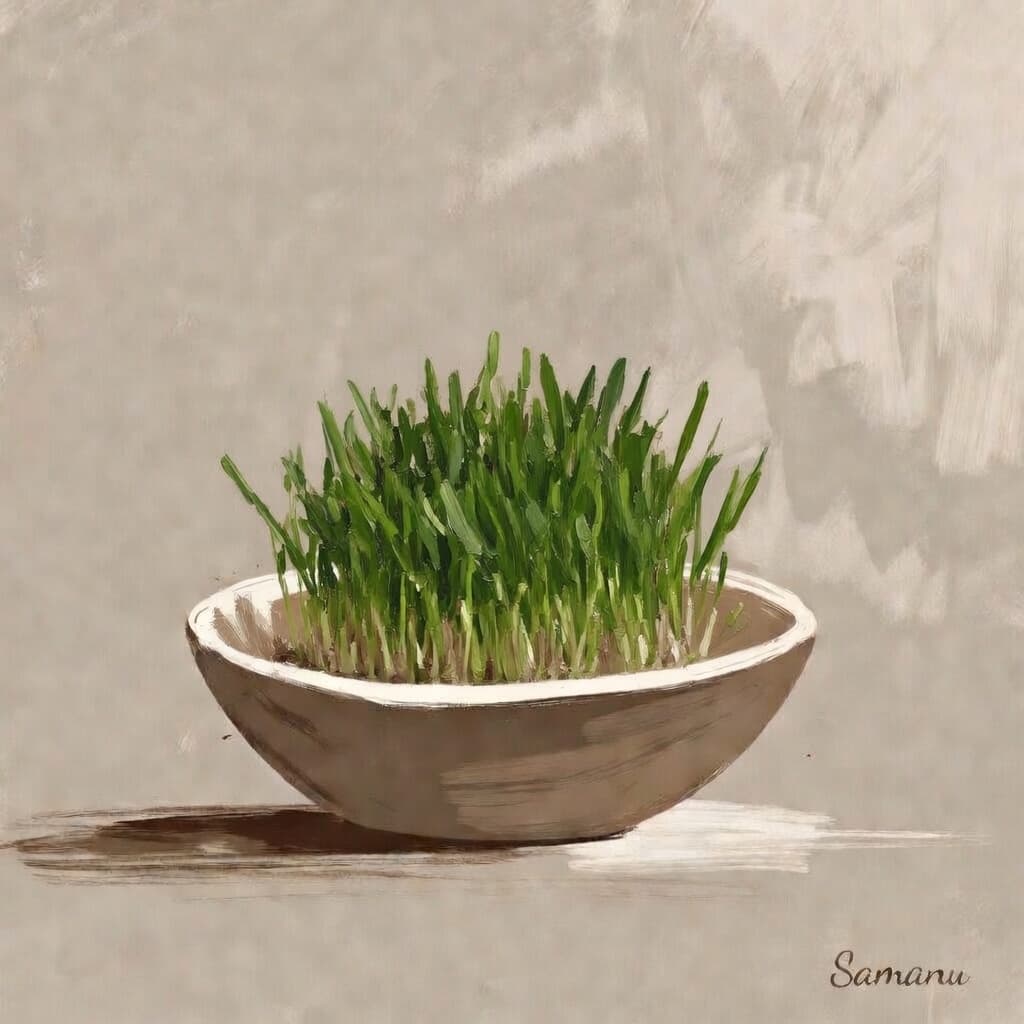
Historically representing the Amesha Spenta Ameretat (Immortality), Sabzeh—sprouted wheat or lentils—embodies the triumph of the green world over winter’s wasteland. It is life insisting on returning, even after the longest darkness.
“A living tapestry of rebirth, weaving the sun’s warmth into the earth’s waking breath.”
🍯 Samanu – The Alchemist’s Sustenance
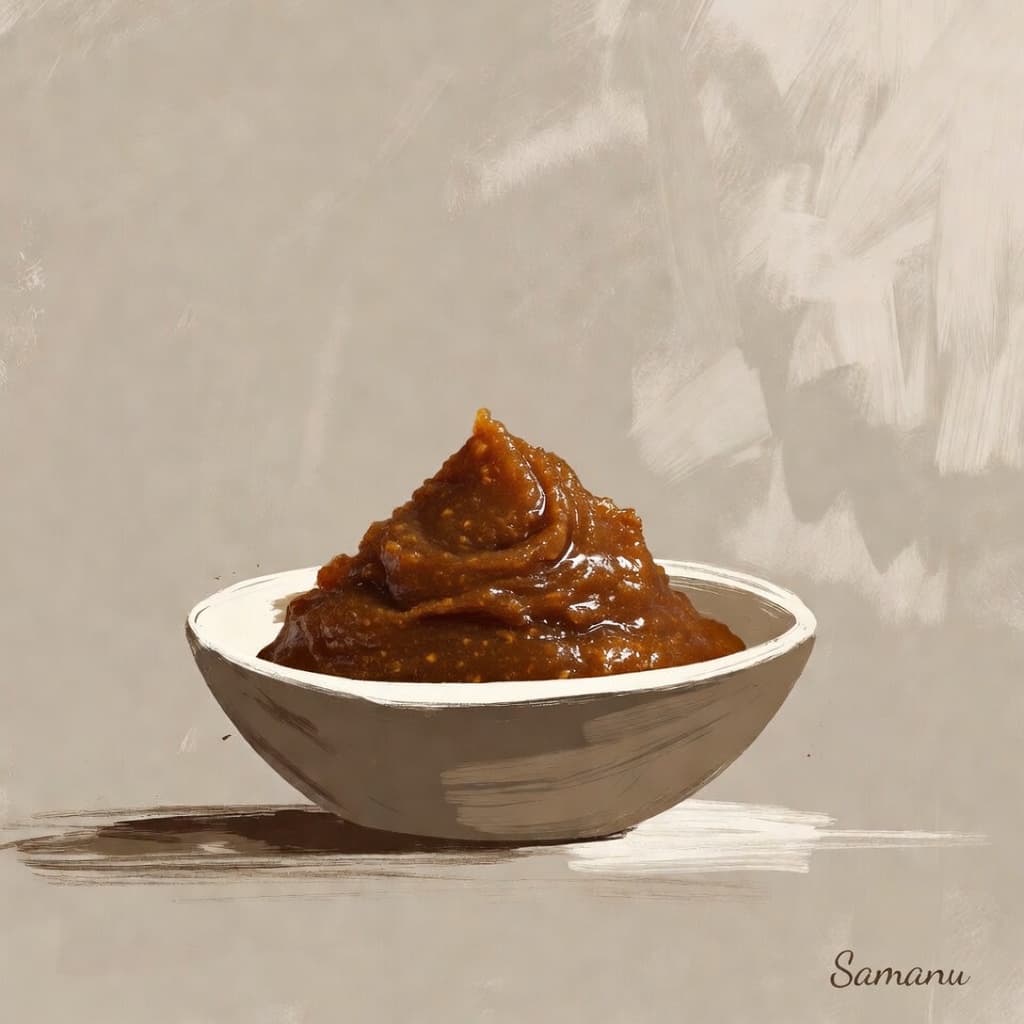
Crafted from germinated wheat in a slow, patient process that can take weeks, Samanu is a hymn to transformation. It represents the reward of patience, the sweetness that emerges when time, care, and tradition work together.
“The nectar of fortitude—born of patience, transformed by fire, and sweetened by the spirit of the ancestors.”
🍎 Seeb – The Fruit of Paradise
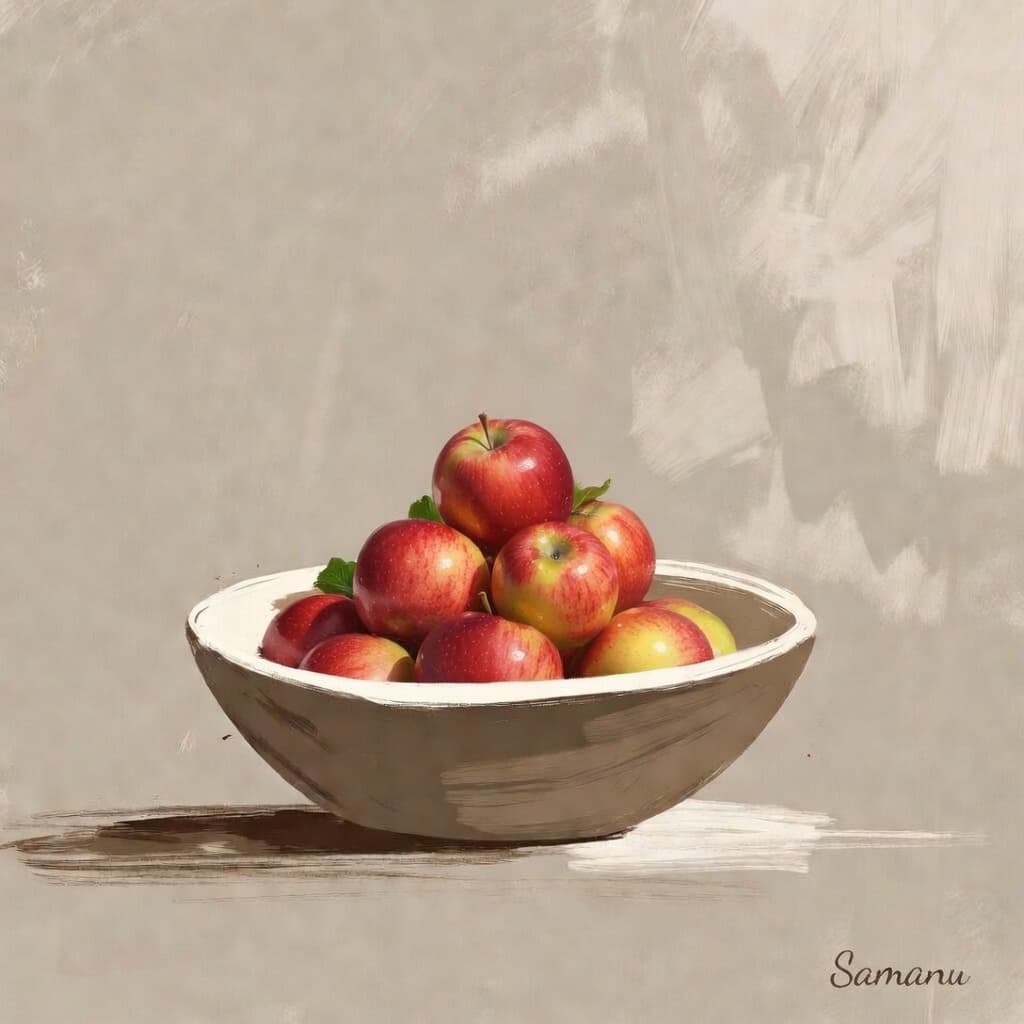
Associated with Spandarmad (the Earth Mother), the apple is an ancient symbol of fertility, feminine grace, and the physical well-being of the family. Its polished skin reflects both beauty and vitality.
“A vessel of celestial health and the ruby glow of beauty, offered to the soul as a promise of vitality.”
🧄 Seer – The Silent Sentinel
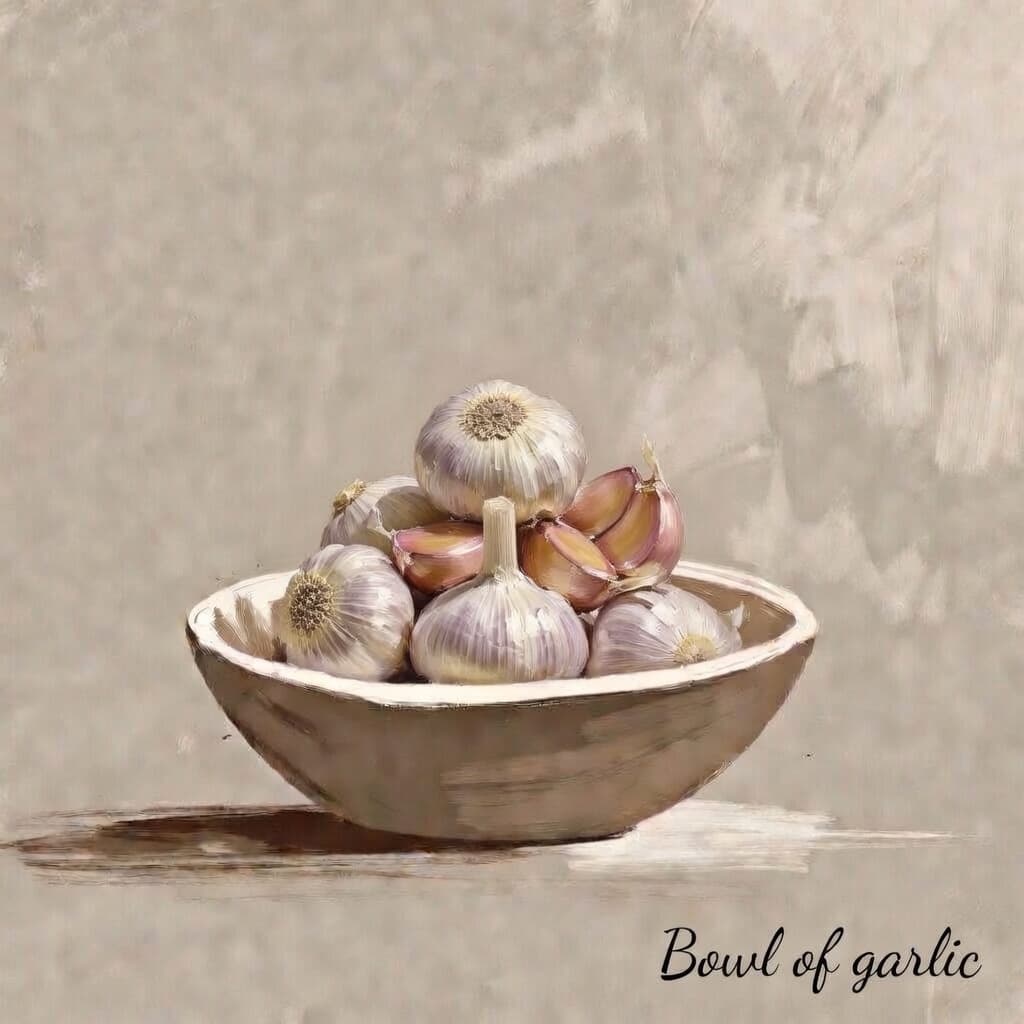
In ancient medicine and Zoroastrian tradition, garlic was believed to ward off “Ahrimanic” (evil) spirits and disease. On the Haft-Seen, Seer stands as a quiet guardian, representing the cleansing of the environment and protection of the home.
“The guardian of the threshold; a bitter shield against malady and a talisman for the sanctity of the home.”
🥨 Senjed – The Seed of Logic
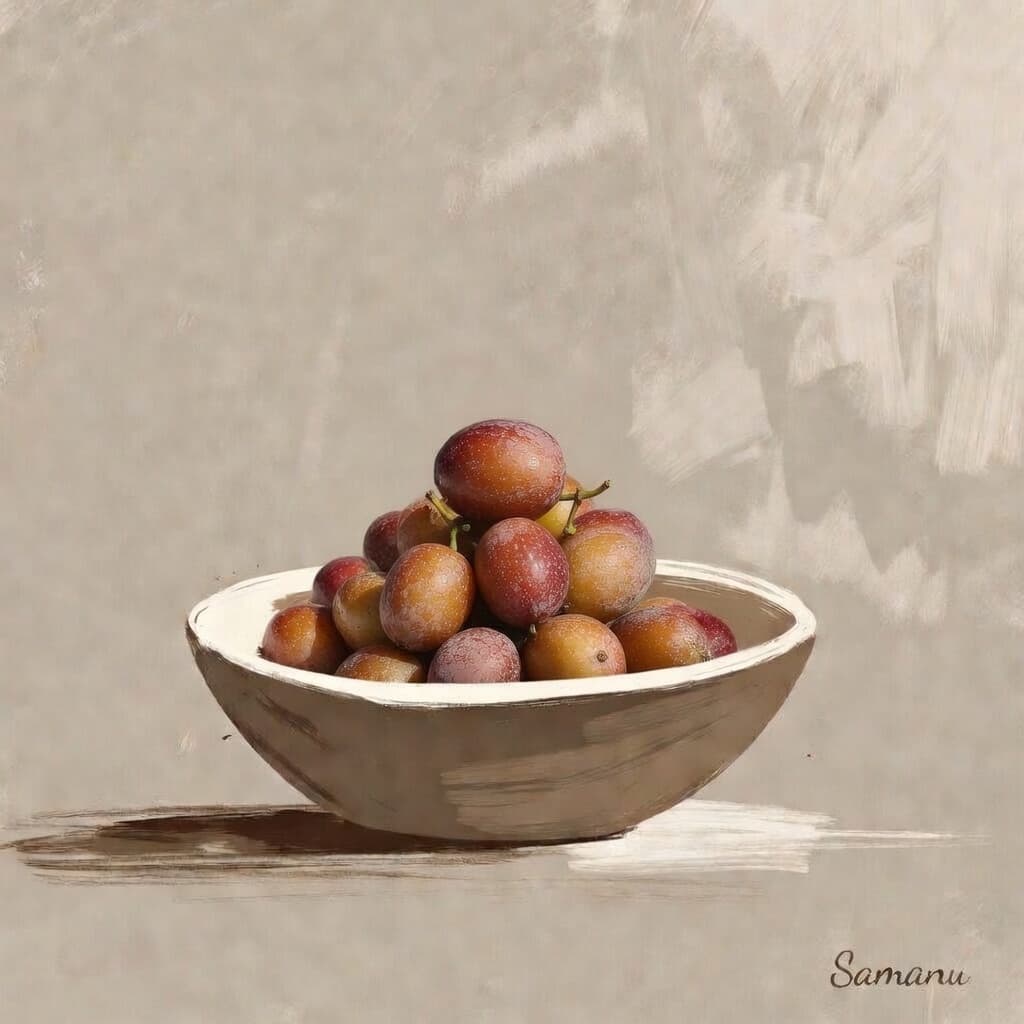
Traditionally linked to the cultivation of the mind, the dried Oleaster fruit (Senjed) represents the spark of human intellect and the experience of falling in love with wisdom itself—where reason and affection meet.
“The fragrance of the lotus-tree, sparking the fire of the intellect and the gentle wisdom of a loving heart.”
🍷 Serkeh – The Elixir of Equanimity
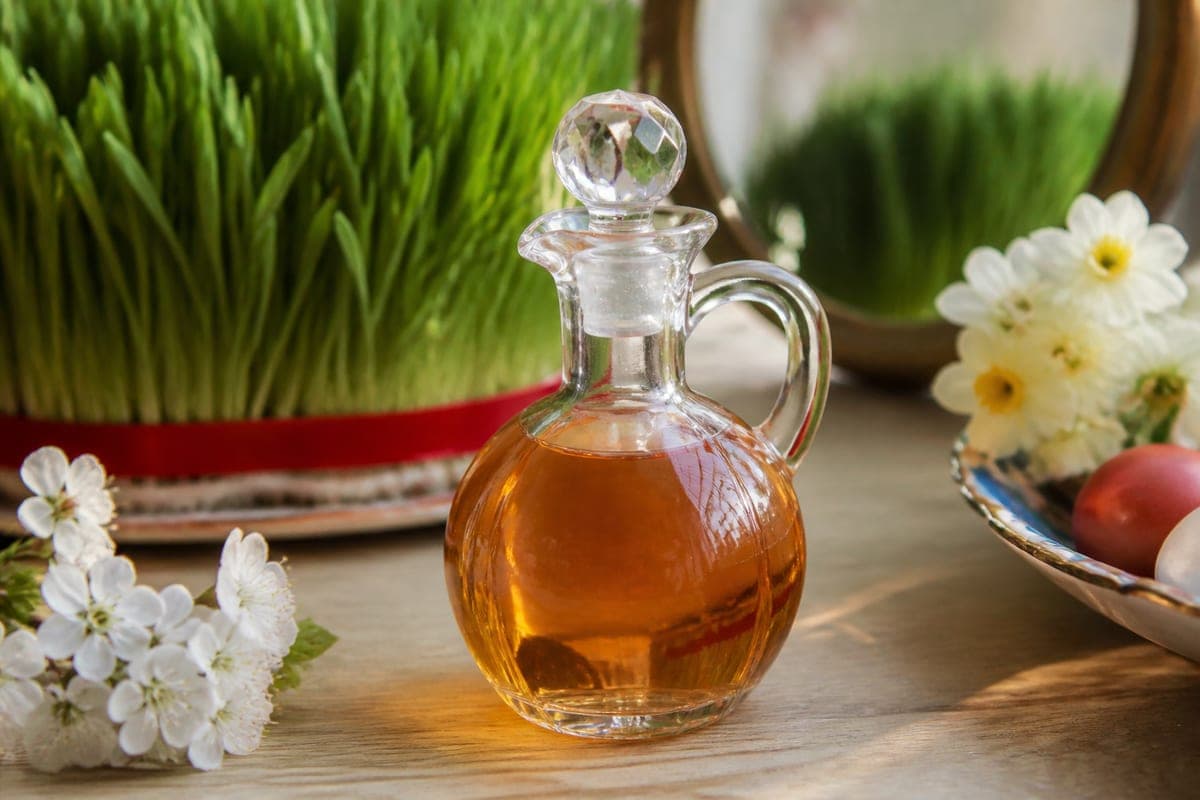
Vinegar, aged and transformed over time, represents the passage of years and the maturity required to face life’s hardships with grace. Serkeh is a reminder that even sourness has a sacred role in the balance of life.
“The vintage of endurance—reminding us that time confers wisdom and that there is peace in the acceptance of life’s cycles.”
🌶️ Somagh – The Dawn’s Reflection
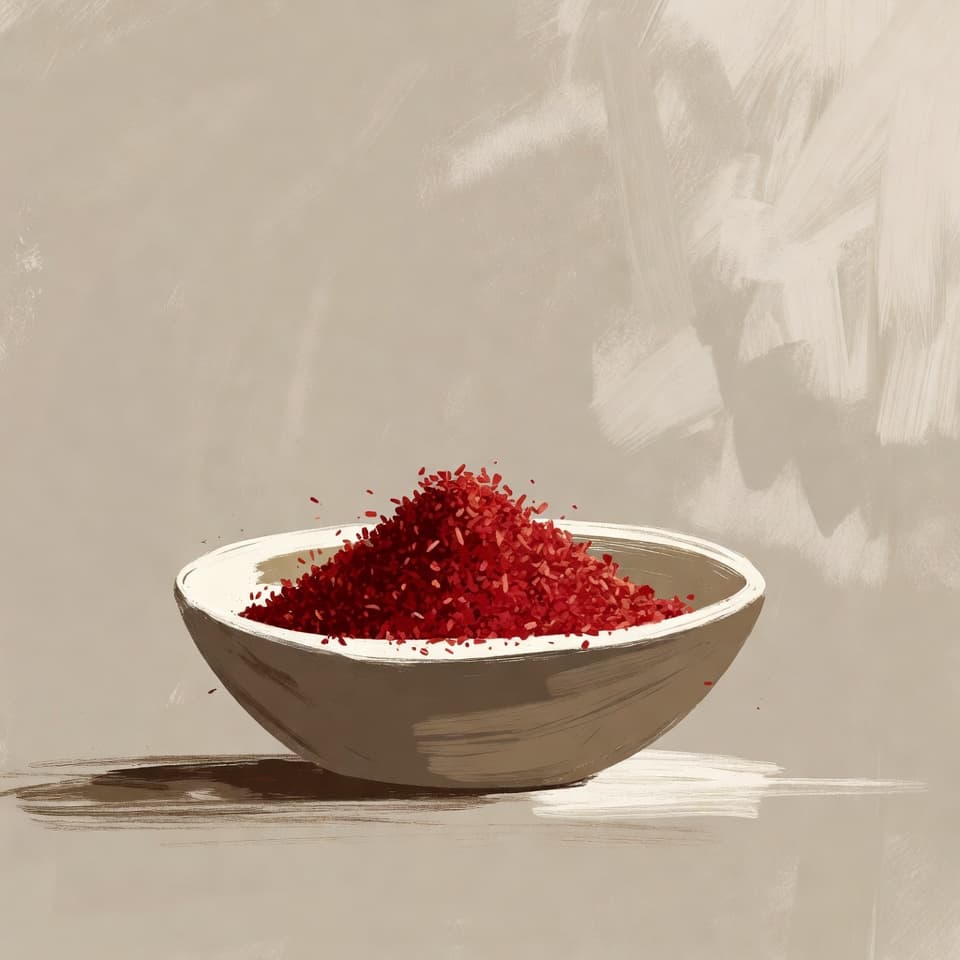
With its deep crimson colour, Sumac mirrors the first light of the sun at daybreak, symbolizing the victory of light over darkness. Sprinkled across the Haft-Seen, Somagh whispers of new beginnings and the courage to step into a brighter day.
“The crushed embers of the morning sun, heralding the victory of Light over the shadows of the passing night.”
🕰️ Saat – The Architect of Fate
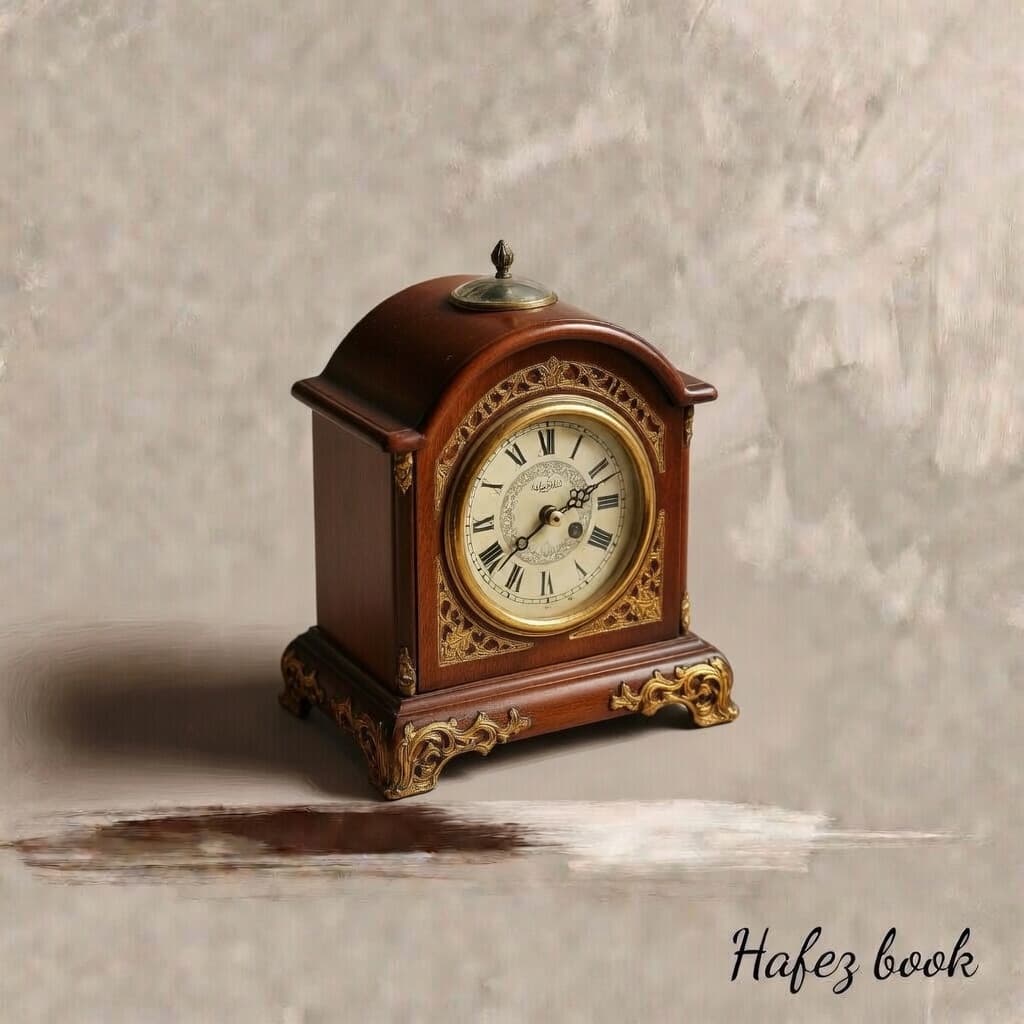
While a modern addition to many Haft-Seen tables, the clock represents the Tahvil—the exact second of the vernal equinox. It symbolizes the precision of the cosmos and the Zoroastrian concept of “Infinite Time” (Zurvan), reminding us that every second is a chance for a new beginning.
“The silent keeper of the threshold; a reminder that within the circle of time, every moment is a gateway to a new destiny.”
📖 Hafez – The Mirror of the Unseen
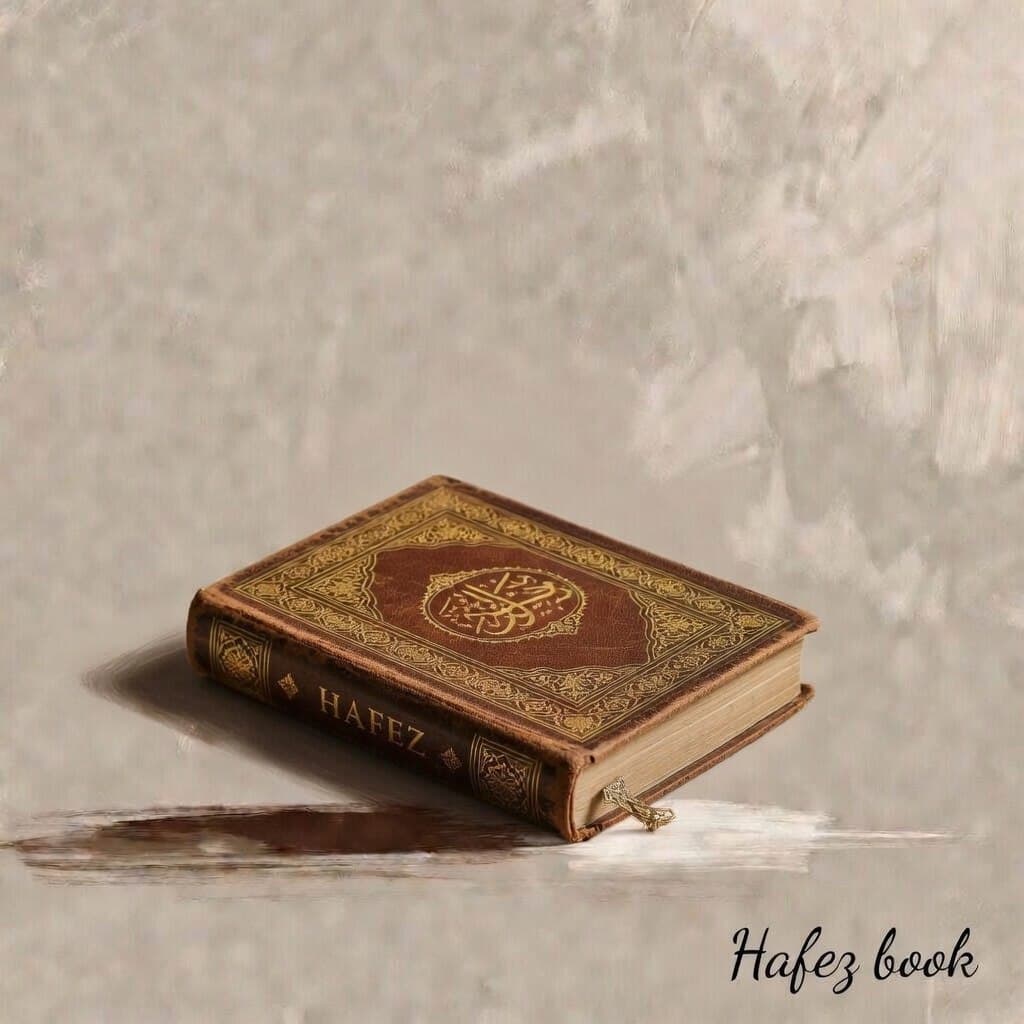
Often placed in the center of the table, the Divan-e-Hafez represents the spiritual and intellectual anchor of Persian culture. It is used for Fal-e Hafez (divination), where the soul seeks guidance from the poetic wisdom of the “Tongue of the Hidden.”
“The living breath of the ancients—a sacred map of the heart where every verse is a light for the path ahead.”
🥚 Tokhm-e Morgh – The Seed of Potential
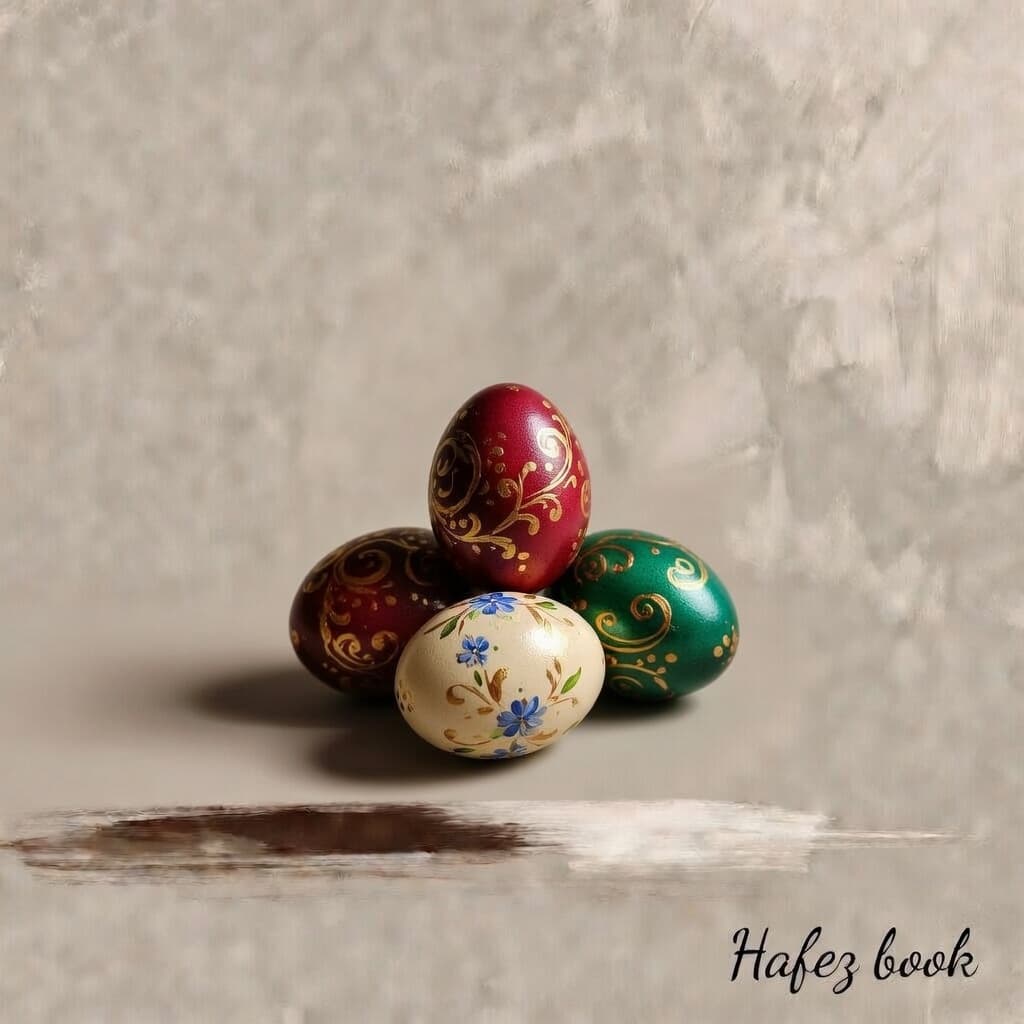
Representing fertility and the “World Egg” of ancient mythology, the painted eggs symbolize the hidden life force waiting to burst forth. They are traditionally decorated by the whole family to represent the diversity and colorful nature of the human spirit.
“A fragile vault of miracles; the colorful promise of life protected, soon to hatch into the vibrant reality of spring.”
At MalikFlower, we honour Nowruz by embracing its spirit of renewal, beauty, and balance—pairing traditional symbolism with thoughtfully designed floral arrangements for a truly meaningful Persian New Year.