
Are Flower Subscriptions Worth It? How to Tell if They Pay Off
Are Flower Subscriptions Worth It? How to Tell if They Pay Off
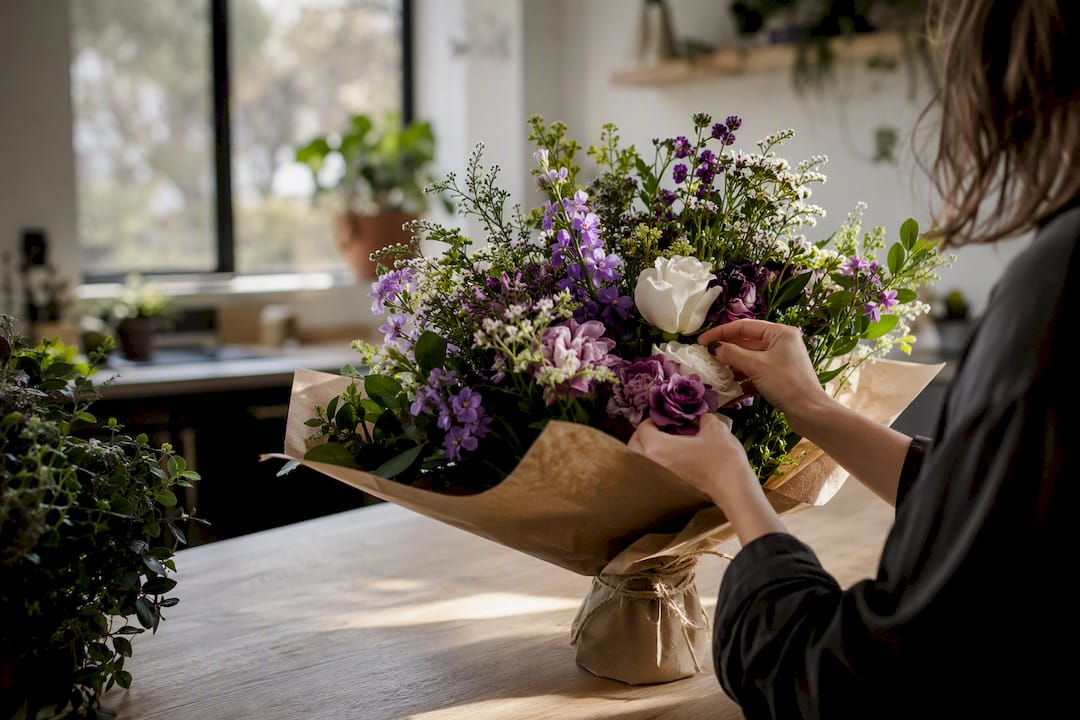
Flower subscriptions are worth it if you actually enjoy fresh flowers around you weekly or biweekly, can pause or skip deliveries when you travel, and treat the recurring charge as a small mood investment rather than an emergency gift budget. They stop being worth it if you buy flowers only for special occasions three or four times a year, in which case a one-time order almost always costs less.
Three things decide your answer:
- Frequency of use. Weekly enjoyment justifies a subscription; occasional gifting doesn’t.
- Value you place on fresh flowers in your space. Some people treat them as furniture; others barely notice them by day three.
- Flexibility of the plan. A subscription with no pause or skip option turns into dead weight the first time you leave town.
A monthly plan with an easy skip button is the lowest-risk way to test whether the benefit outweighs the cost before committing to something weekly.
Key Takeaways
A flower subscription pays off when delivery frequency matches genuine enjoyment and the plan allows easy pausing, otherwise a one-time order delivers better value.
| Point | Details |
|---|---|
| Verdict depends on frequency | Weekly or biweekly enjoyment justifies the cost; occasional gifting usually doesn’t. |
| Use cost-per-day, not per-bouquet | Divide price by expected vase-life days to compare true value across plans. |
| Local beats shipped on freshness | Local florist delivery averages 7 to 14 days of vase life versus 4 to 7 days for shipped boxes. |
| Check flexibility before signing up | Confirm pause, skip, and cancellation terms are simple before committing to a recurring charge. |
| Malikflowers offers a local option | Malikflowers provides handcrafted subscriptions across Metro Vancouver with flexible frequency and a satisfaction guarantee. |
Table of Contents
- Are Flower Subscriptions Worth It Compared to Ordering One-Off?
- What Makes a Flower Subscription Worth the Recurring Cost?
- What Are the Downsides of a Flower Subscription?
- How to Calculate If Your Flower Subscription Is Worth It
- Local Florist Subscriptions vs. Shipped Box Services
- Who Should Subscribe to Flowers, and Who Shouldn’t?
- What’s the Environmental Cost of a Flower Subscription?
- How Do You Know a Flower Subscription Provider Is Reliable?
- What Do Customer Reviews Reveal About Flower Subscriptions?
- Are Flower Subscriptions Actually Worth the Hype?
- Try a Malikflowers Subscription in Metro Vancouver
- Sources
- FAQ
Are Flower Subscriptions Worth It Compared to Ordering One-Off?
A flower subscription is a recurring delivery arrangement, usually billed weekly, biweekly, or monthly, where a florist sends a fresh bouquet on a set schedule instead of you placing a new order each time. Most services fall into two customization styles: designer’s choice, where the florist picks seasonal stems within your color preferences, and palette-based plans, where you lock in a general look (soft pastels, bold jewel tones) and the florist varies the flowers inside that range.
- Pick a frequency. Weekly suits people who want flowers as a constant home feature; monthly suits occasional enjoyment or gifting reminders.
- Choose customization level. Designer’s choice tends to be cheaper and more seasonal; palette-based plans give more predictability.
- Check the billing and cancellation terms. A subscription only stays worth it if you can pause, skip a delivery, or cancel without penalty when plans change.
What Makes a Flower Subscription Worth the Recurring Cost?
The biggest upside isn’t the flowers themselves. It’s not having to remember to buy them.
- Less decision fatigue. You stop scrolling florist sites at 9 p.m. wondering what to send.
- A real mood lift. Research cited in florist industry write-ups links receiving flowers to short-term boosts in mood and reported wellbeing, which is a genuine, if modest, return on a recurring purchase.
- Seasonal discovery. Designer’s-choice plans introduce stems you’d never think to pick yourself, from ranunculus in early spring to dahlias in late summer.
- A gift that keeps landing. For someone recovering from surgery, grieving, or just having a rough stretch, a subscription means they’re remembered every two weeks, not just once.
- Bulk pricing. Local florists running subscription programs report per-delivery savings of roughly 15 to 20 percent compared with placing the same size order individually, since bulk sourcing and predictable delivery routes cut costs.
Pro Tip: If gifting is your main use case, ask whether the subscription lets you swap delivery addresses each cycle. Some plans lock you into one recipient, which defeats the purpose if you’re rotating gifts among family members.
That savings margin is real but modest. It won’t make a subscription worth it on its own if you never look forward to the delivery. Pair the cost math with genuine enjoyment and the case gets a lot stronger.
What Are the Downsides of a Flower Subscription?
The math and the mood benefits only tell half the story. Here’s where subscriptions lose value fast:
- The charge doesn’t stop when your interest does. A recurring $45 to $65 charge adds up over a year even when you barely glance at the bouquet by week three.
- You give up control. Designer’s-choice plans mean you might get lilies when you wanted tulips, and swap requests aren’t always available mid-cycle.
- Quality varies by provider. A local florist arranging in-house is a different experience than a shipped box assembled by a warehouse three states away.
- Travel creates waste. Forget to pause before a two-week trip and you come home to a dead bouquet nobody enjoyed.
- Some plans hide minimum-term clauses or added holiday surcharges that only show up at checkout, quietly eroding the savings that looked good on paper.
How to Calculate If Your Flower Subscription Is Worth It
The sticker price on a subscription is close to meaningless without knowing how long the flowers actually last. That’s the real math: cost per delivery divided by expected vase-life days. A $50 bouquet that lasts five days costs $10 a day. A $60 bouquet that lasts twelve days costs $5 a day, and it’s the better deal despite the higher price tag.
Vase life depends heavily on delivery type. Local florist arrangements delivered in water typically hold up for 7 to 14 days, while nationally shipped boxes, spending a day or two in transit without water, often only last 4 to 7 days.
Before comparing plans, add in the costs that don’t show up in the base price:
- Delivery fees, which some subscriptions waive and others charge per drop
- Holiday surcharges around Valentine’s Day, Mother’s Day, and Christmas
- Tips, if hand delivery is involved
Frequency changes the math too. Weekly plans amortize delivery fees better since you’re paying them more often for a flat per-delivery rate, while monthly plans carry more risk of a bouquet sitting unappreciated by day ten if vase life runs short.
Local Florist Subscriptions vs. Shipped Box Services
These are genuinely two different products wearing the same label. A local florist subscription means someone arranges your flowers by hand, delivers them the same day, and hands them over already in water. That’s why local same-day delivery tends to produce longer vase life and a display-ready experience the moment they arrive.
Shipped box services trade that for a lower price point, but you’re the one trimming stems, mixing flower food, and arranging on delivery day. Editorial testing of subscription boxes consistently notes this extra effort, plus the shorter vase life that comes from time spent in transit without water.
- Choose local if you’re a regular at-home subscriber, an office manager keeping a lobby stocked, or someone who wants zero setup effort.
- Choose shipped if you’re gifting nationwide to someone outside your florist’s delivery radius and price matters more than longevity.
Before subscribing to either, check the delivery area, ask how the florist sources stems, and find out whether flowers arrive already conditioned or need immediate care on your end.
Who Should Subscribe to Flowers, and Who Shouldn’t?
Run through this checklist before signing up for anything:
- Frequency: Would you actually notice and enjoy flowers every one or two weeks, or would they become background noise by day four?
- Enjoyment value: Do fresh flowers genuinely lift your space or your mood, or is this more of an idea you like than a habit you’d keep?
- Budget: Can the recurring charge sit comfortably in your monthly spending without becoming the first thing you cut?
- Gifting intent: Are you subscribing for yourself, or sending to someone else regularly? That changes which plan type fits.
- Flexibility needs: Do you travel often enough that pause and skip functions matter more than the price?
Watch for these red flags before committing: inflexible minimum-term contracts, reviews mentioning wilted or short-lived arrangements, and no visible pause or cancel option on the provider’s site. If you can’t find cancellation terms without emailing support, that’s telling you something.
Pro Tip: Start with a monthly plan for two to three deliveries before upgrading to weekly, similar to how many enjoy a holiday gift subscription for specialty coffee as an easy low-risk trial. It’s the lowest-risk way to test real enjoyment against the recurring cost, and you can always increase frequency once you know you’ll actually look forward to it.
Before you subscribe anywhere, ask directly: What’s the delivery window? What vase life should I realistically expect? And how, exactly, do I pause or cancel?
What’s the Environmental Cost of a Flower Subscription?
Flower subscriptions carry a real environmental footprint, and it varies enormously by model. Shipped box services generally ship further, often from national distribution centers, which means more fuel burned in transit and more packaging: insulated boxes, ice packs, plastic sleeves around stems, and cardboard that isn’t always recyclable curbside depending on your municipality.
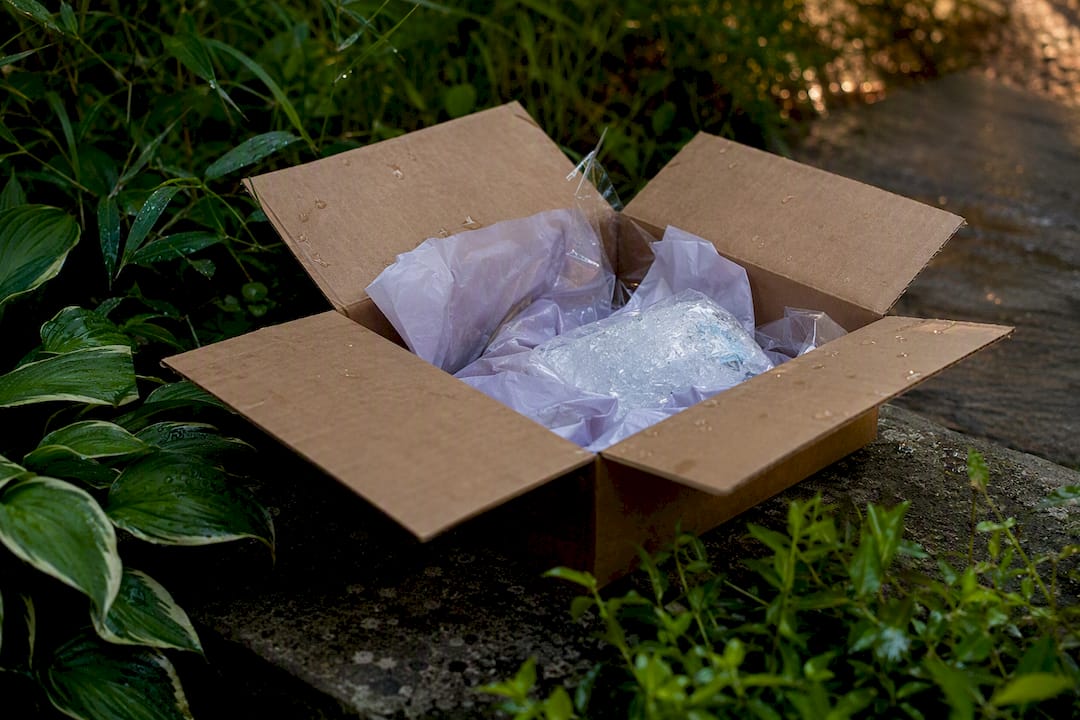
Local florist subscriptions cut a meaningful chunk of that footprint simply by shortening the supply chain. Same-day hand delivery within a metro area means less refrigerated transport and often less packaging altogether, since flowers travel a few miles in a van instead of across the country in a temperature-controlled box.
Sourcing matters as much as distance. Some florists work with regional growers and rotate their offerings seasonally, which cuts down on flowers flown in from overseas growing operations. Others rely heavily on imported stems year-round regardless of season, which carries a larger carbon cost even if the final delivery is local.
If sustainability factors into your decision, ask a potential provider three things: where their flowers are grown, whether packaging is recyclable or compostable, and whether they offer a seasonal, regionally-sourced option. A florist that can answer specifically, rather than with a vague sustainability statement, is usually the one actually paying attention to it. Waste is also a personal variable here. A subscription you forget to pause before a trip doesn’t just waste money, it wastes water, stems, and packaging on flowers nobody sees.
How Do You Know a Flower Subscription Provider Is Reliable?
Reliability shows up in details that are easy to check before you ever place an order. Start with the delivery guarantee: does the provider commit to a specific window, or just a vague “sometime this week”? Same-day delivery availability is a strong signal that a florist has the local infrastructure to actually hit commitments, rather than outsourcing to a third-party courier network.
Look closely at how a provider talks about sourcing and freshness. A florist confident in their process will tell you where flowers come from and roughly how long they should last, rather than making blanket freshness claims with no specifics attached. That transparency around expected vase life and sourcing is one of the clearest signs a provider takes the subscription model seriously rather than treating it as an afterthought to one-off orders.
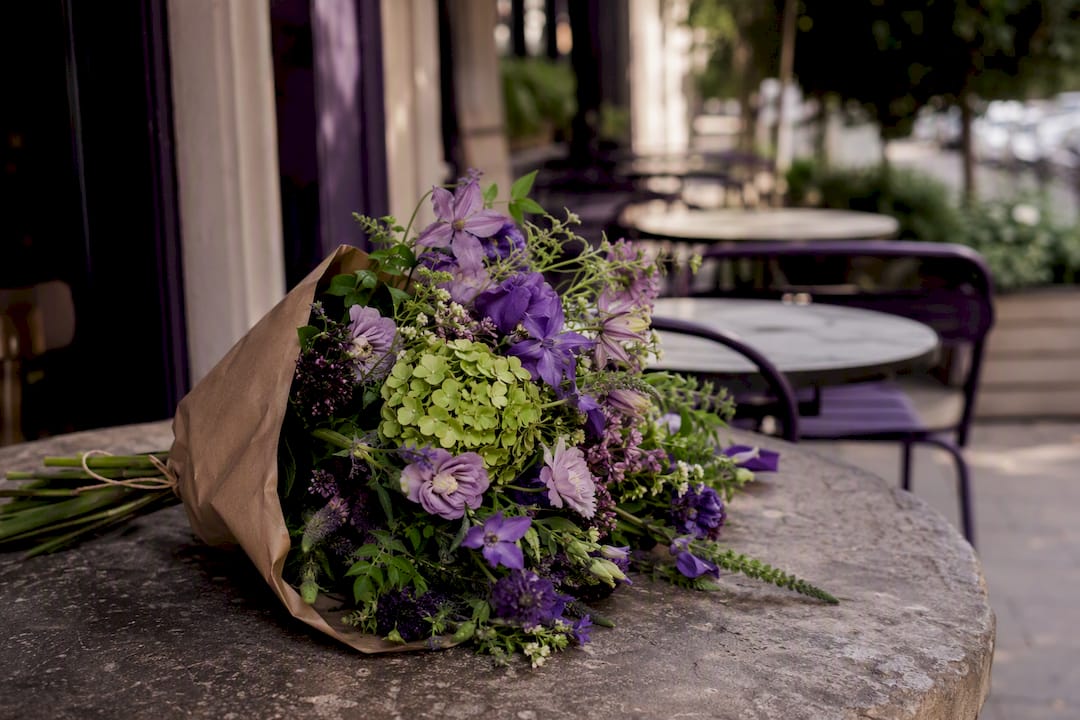
Cancellation and pause policies reveal a lot too. A provider that buries this information behind a support ticket, or requires a phone call during business hours to pause a single delivery, is signaling friction by design. The best subscription programs make pausing, skipping, or canceling a two-click process, because they’re confident enough in the product that they don’t need to trap you into staying.
Finally, check how customization actually works in practice, not just in marketing copy. Ask what happens if you dislike an arrangement. A satisfaction guarantee with a real refund policy, rather than a store credit consolation prize, tells you the provider stands behind their design work rather than treating complaints as a cost center.
What Do Customer Reviews Reveal About Flower Subscriptions?
Reviews for flower subscription services cluster around a few recurring themes, and they’re worth reading before you commit to anything longer than a single trial delivery. The most common complaints involve arrangements that don’t match photos, deliveries arriving on the wrong day, and stems that wilt within 48 hours, especially with shipped services.
The most common praise, by contrast, tends to focus on the arrangement quality itself and how a provider handles problems when they arise. A service that responds quickly to a wilted-bouquet complaint with a replacement or refund earns repeat subscribers even after an occasional miss, while one that ignores complaints loses trust fast, regardless of how nice the marketing photos look.
Satisfaction guarantees function as a trust signal precisely because they put the provider’s money where their design claims are. A subscription service willing to refund an unhappy customer, rather than just offering a discount code toward the next order, is telling you they expect most deliveries to go right and are willing to absorb the cost when one doesn’t. That’s a meaningfully different posture than a provider whose only recourse is “contact us within 24 hours” with no clear resolution promised.
When you’re evaluating reviews, weight recent ones more heavily than older ones. Florist quality, sourcing relationships, and delivery logistics change over time, sometimes within a single season, so a glowing review from two years ago tells you less than a handful of consistent comments from the past few months.
Are Flower Subscriptions Actually Worth the Hype?
Most advice on this topic treats flower subscriptions as a binary: either a delightful self-care upgrade or an overpriced impulse purchase. Neither framing holds up once you actually run the numbers. The honest answer is that value here is almost entirely a function of how often you’d genuinely enjoy the flowers, not some inherent quality of subscriptions as a category.
What the conventional advice gets wrong is treating price per bouquet as the deciding metric. It isn’t. Cost per day of enjoyment is the number that actually matters, and it flips the calculus on plenty of “cheap” shipped options that die in four days versus a pricier local arrangement that lasts two weeks.
If there’s one thing readers should prioritize first, it’s testing before committing. A monthly trial costs little, reveals whether you’re someone who actually notices flowers around your home, and exposes a provider’s pause and cancellation process before you’re locked into anything weekly. Skip that step and you’re gambling on a habit you haven’t confirmed you have.
— Reza
Try a Malikflowers Subscription in Metro Vancouver
If the checklist above points you toward “yes, a subscription fits,” a local hand-delivered plan solves the exact problems that make shipped boxes and rigid contracts frustrating. Malikflowers offers recurring floral subscriptions across Metro Vancouver with weekly, biweekly, and monthly frequency options, each built from handcrafted, seasonal arrangements rather than mass-produced templates.
Every delivery is backed by a satisfaction guarantee, meaning a refund if a design doesn’t land right, not just a discount code toward next time. Pause and skip requests are straightforward, so a vacation or a busy month doesn’t turn into wasted flowers, and same-day delivery is available for readers in the service area who want their first arrangement fast. Browse the subscription plans to compare frequency options, or check the product catalog for a sense of typical bouquet sizes and pricing before you commit to a recurring plan.
Sources
- Are Flower Subscriptions Worth It? LA Florist’s Honest Guide (Pink Clover)
- Is a flower subscription worth it? (Fleura guide)
- Flower delivery options: Is a subscription service worth it? (FloristCheck)
- The Best Monthly Flower Subscriptions, Tested by Experts (Taste of Home collection)
FAQ
What Is the 3-5-8 Rule for Florists?
The 3-5-8 rule is a florist design guideline for arrangement proportions, typically using three focal flowers, five secondary flowers, and eight filler or greenery stems to create balanced-looking bouquets.
What Is the Best Monthly Flower Subscription?
The right monthly subscription depends on whether you prioritize local same-day freshness or nationwide shipping. Local florist plans, like the ones Malikflowers offers across Metro Vancouver, tend to deliver longer vase life since flowers arrive already arranged in water.
What Does a $50 Flower Bouquet Look Like?
At roughly $50, expect a mid-sized arrangement with one or two focal flower types, such as roses or ranunculus, paired with filler greenery, typically enough for a dining table centerpiece or a meaningful gift.
What’s the Cheapest Way to Get Flowers Delivered?
Shipped-in-a-box services usually carry the lowest sticker price since you handle the arranging yourself, but factor in their shorter 4 to 7 day vase life when comparing true cost per day against a local subscription.
Is a Flower Delivery Subscription Worth It for Occasional Gifting?
Probably not. Subscriptions earn their value through regular use; if you only send flowers a few times a year, a one-time order from a local florist gives you more control and no recurring commitment.