
Pet-Safe Flowers for Cat and Dog Homes
Pet-Safe Flowers for Cat and Dog Homes
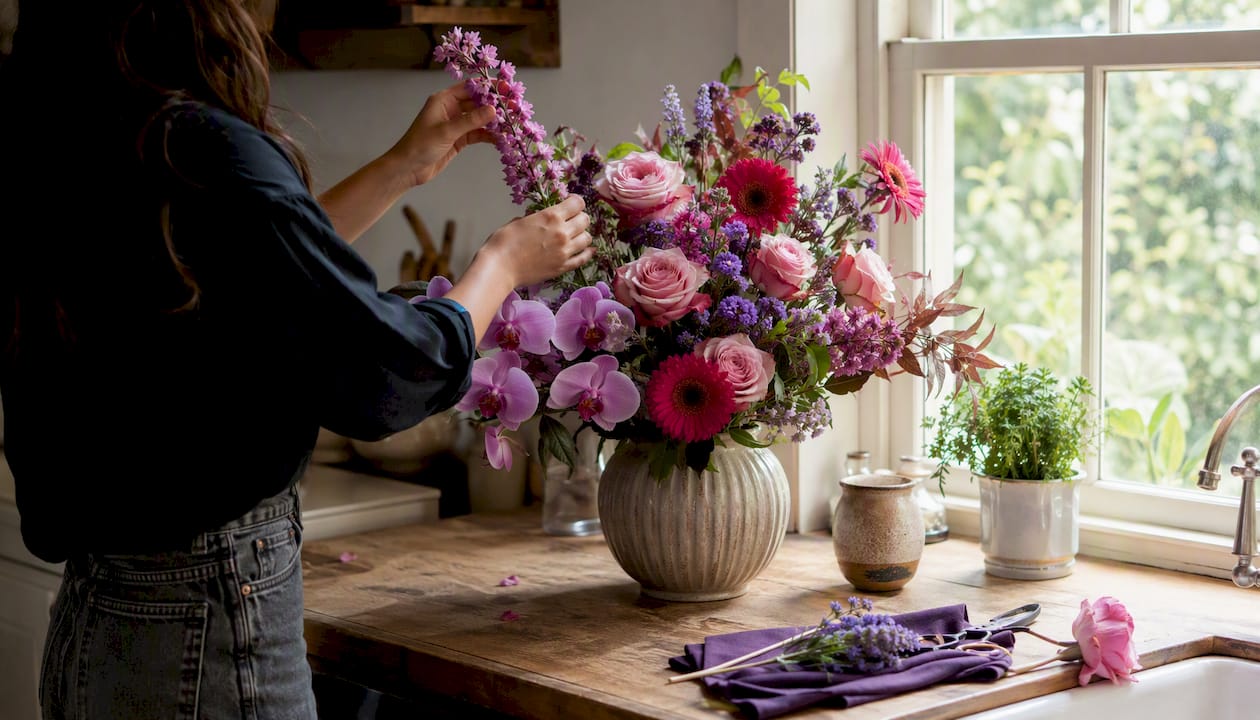
Roses (Rosa spp.), orchids (Orchidaceae), gerbera daisies (Gerbera jamesonii), sunflowers (Helianthus spp.), and snapdragons (Antirrhinum majus) are all low-risk choices for homes with cats and dogs. If you have a cat, one rule matters above everything else: keep true lilies out of the house entirely. True lilies (Lilium spp.) and daylilies (Hemerocallis spp.) can cause rapid kidney failure in cats from pollen, petals, stems, or even vase water.
“Pet-safe” is shorthand for “not known to be highly toxic.” As the ASPCA notes, no plant is completely risk-free, and large amounts of even low-risk blooms can cause mild stomach upset.
If your cat has been near lilies or your pet shows vomiting, drooling, lethargy, or seizures, call an emergency vet or a poison hotline immediately. The ASPCA Animal Poison Control Center (APCC) is available 24/7 at 1-888-426-4435 (consultation fee may apply). The Pet Poison Helpline can be reached at 1-855-764-7661.
Key Takeaways
True lilies are the single most dangerous flower for cats, and no arrangement for a cat household should ever include them, even as a filler or accent stem.
| Point | Details |
|---|---|
| Top safe picks | Roses, orchids, gerbera daisies, sunflowers, snapdragons, freesia, and statice are all low-risk for cats and dogs. |
| The one non-negotiable | True lilies (Lilium and Hemerocallis) cause rapid kidney failure in cats; pollen and vase water alone can be lethal. |
| Emergency contacts | ASPCA APCC: 1-888-426-4435; Pet Poison Helpline: 1-855-764-7661; both available 24/7. |
| Ask your florist | Request botanical names for every stem and filler, and specify “pet home, no lilies” at checkout. |
| Malikflowers option | Metro Vancouver pet owners can order lily-free, thorn-removed bouquets with a satisfaction guarantee from Malikflowers. |
Table of Contents
- Which common flowers are low-risk for cats and dogs?
- Flowers and plants that can seriously harm or kill your pet
- How to choose or request pet-safe flowers from a florist
- If your pet eats a flower: symptoms and immediate steps
- Pet-friendly bouquet ideas and practical ways to make arrangements safer
- A florist’s note on making pet-safe arrangements
- Malikflowers delivers pet-friendly bouquets across Metro Vancouver
- Sources
- FAQ
Which common flowers are low-risk for cats and dogs?
The ASPCA’s Mother’s Day bouquet guidance names a practical shortlist of cut flowers considered low-risk: roses, gerbera daisies, sunflowers, orchids, snapdragons, freesia, statice, and lisianthus. Here is what each one looks like in practice.
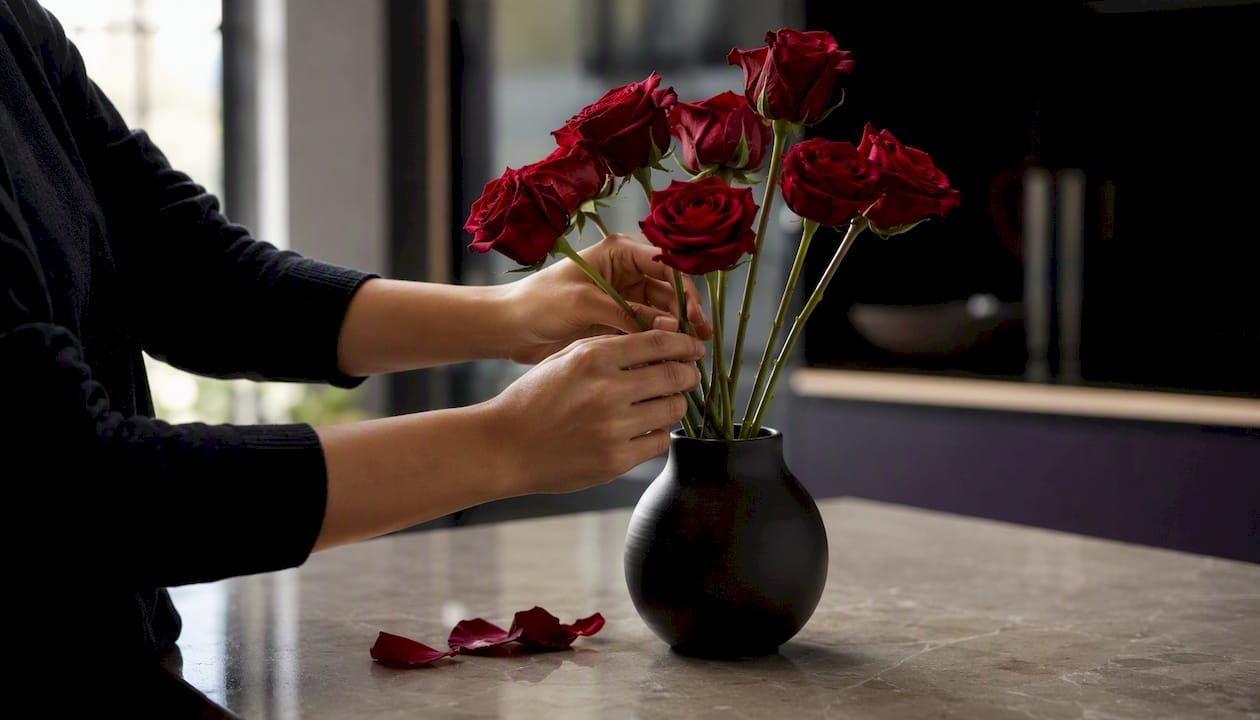
Roses (Rosa spp.) are the most widely available pet-safe cut flower. They carry no systemic toxin, though thorns can scratch a curious cat or dog. Ask your florist to remove thorns before delivery.
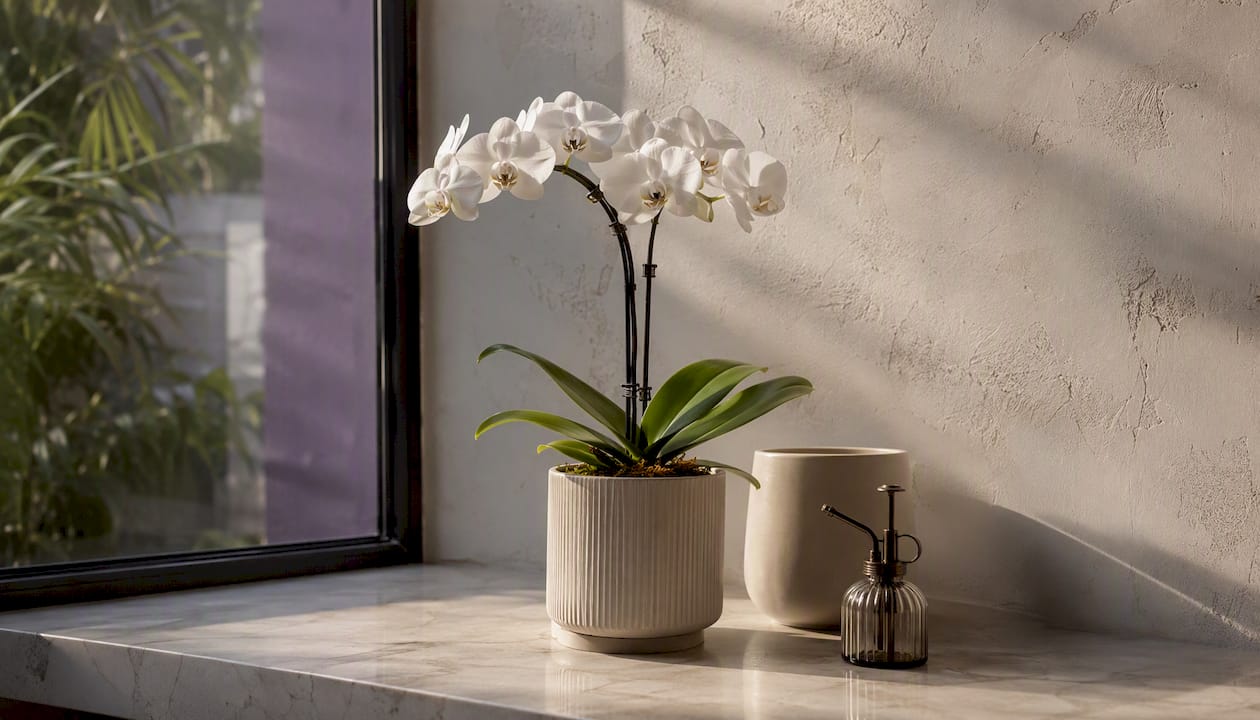
Orchids (Orchidaceae) are one of the better choices for a potted gift because they last weeks rather than days and carry no known toxicity to cats or dogs. Phalaenopsis orchids are the most common variety in Canadian florist shops.
Gerbera daisies (Gerbera jamesonii) are bright, long-lasting, and genuinely low-risk. They are a reliable filler in mixed bouquets and a solid standalone choice.
Sunflowers (Helianthus spp.) are non-toxic, though the rough stem and large seed head can be a mild choking concern for small dogs. Keep an eye on any pet that chews at stems.
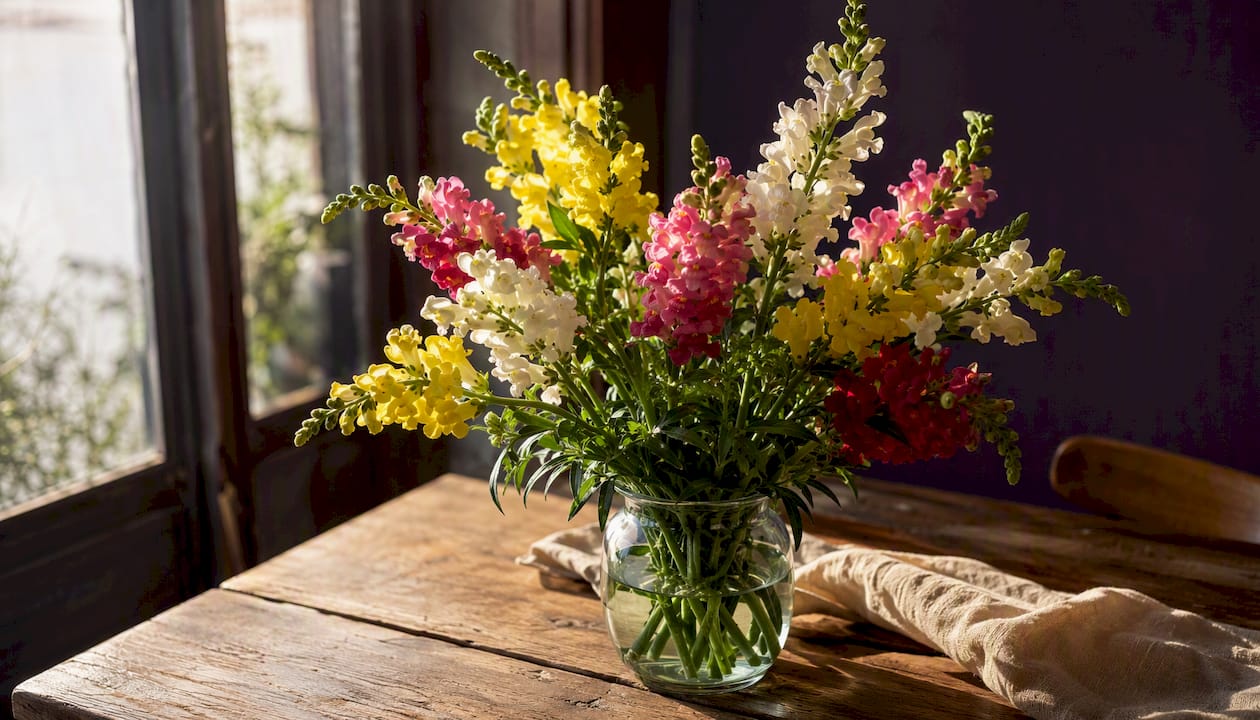
Snapdragons (Antirrhinum majus) are listed as non-toxic by the ASPCA and work well in both cut arrangements and garden beds. They are a good seasonal pick for spring and fall.
Freesia (Freesia spp.) is fragrant, non-toxic, and holds up well in mixed bouquets. One caveat: the bulb is not the same as the cut stem, and bulbs of many species are toxic, so never bring freesia bulbs indoors.
Statice / sea lavender (Limonium spp.) is a common filler that is safe for both cats and dogs and adds texture to arrangements without adding risk.
Zinnias (Zinnia elegans) are a summer garden staple and non-toxic. They do not hold as long as a cut flower, but they are a great outdoor bed choice for pet-friendly yards.
Petunias (Petunia spp.) are safe for cats and dogs and work well in hanging baskets or garden borders where pets roam.
A word on fillers and greenery: Even when the featured blooms are safe, the filler stems tucked into a bouquet may not be. Baby’s breath (Gypsophila) can cause mild GI upset; some eucalyptus varieties are mildly toxic to cats. Always ask for the full stem list, not just the featured flower names, before bringing an arrangement home.
For a bouquet intended as a gift for a pet household, orchid-centered or rose-forward designs are the safest defaults. Potted orchids in particular make a thoughtful gift because they remove the vase-water risk entirely.
Flowers and plants that can seriously harm or kill your pet
Some plants in common bouquets and gardens carry a real risk of organ failure or death. The table below covers the highest-priority ones.
VCA Canada confirms that true lilies cause rapid-onset kidney failure in cats and that prognosis improves significantly when treatment begins before organ failure sets in. The same clinical urgency applies to sago palm in dogs: the BC SPCA notes that ingestion carries a high mortality rate and often requires aggressive supportive care with a still-guarded outcome.
The hidden risk in bouquets: Bulb remnants at the base of tulip or daffodil stems, loose lily pollen that falls onto food bowls or fur, and vase water that has been sitting with toxic stems can all deliver a dangerous dose. Pollen alone from a true lily can be enough to trigger kidney failure in a cat that grooms it off her coat.
The Ontario SPCA recommends contacting a 24/7 poison hotline or emergency vet any time ingestion of a toxic bulb or landscape plant is suspected, rather than waiting to see whether symptoms develop.
How to choose or request pet-safe flowers from a florist
Knowing which flowers are safe is only half the job. Getting them into your home without accidental toxic additions takes a few direct questions at the point of purchase.
Questions to ask your florist or delivery service:
- Can you confirm the botanical (scientific) names of every stem in this arrangement, including fillers and greenery?
- Does this bouquet contain any lily species, including daylilies or Asiatic lilies?
- Are any of the filler greens toxic to cats or dogs (for example, eucalyptus, baby’s breath in large amounts, or ruscus)?
- Were these flowers treated with systemic pesticides or fertilizers that could be harmful if a pet chews on a stem?
- Can you remove thorns and any seed heads before delivery?
Florists who regularly handle pet-safe requests will often automatically exclude lilies and bulb flowers and substitute safe fillers once they know the household has pets. An explicit note at checkout, such as “pet home, no lilies please,” reduces the chance of accidental inclusion. Pink Clover Florist recommends rose- or orchid-based designs as the safest defaults when ordering for a pet household.
Placement tips once the bouquet arrives:
- Set arrangements on a high, stable surface that cats cannot jump to easily.
- Never place bouquets on windowsills, which are prime cat territory.
- Empty and rinse the vase daily if you have a cat that drinks from standing water.
- Remove any loose pollen from lily-adjacent stems before you realize they slipped in.
Pro Tip: When ordering online, add “pet home, no lilies, thorns removed” in the delivery notes field. Most florists treat this as a standard modification and will confirm the substitution before shipping.
If your pet eats a flower: symptoms and immediate steps
Speed matters. VCA Hospitals’ clinical guidance is clear that treatment for severe plant exposures is time-sensitive, and waiting for symptoms to worsen before calling a vet can close the window for effective intervention.
| Symptom type | Common signs | Typical onset after ingestion |
|---|---|---|
| Oral / GI irritation | Drooling, pawing at mouth, vomiting, diarrhea | Minutes to 2 hours |
| Systemic / neurologic | Lethargy, tremors, seizures, collapse | hours |
| Kidney involvement (cats, lilies) | Vomiting, lethargy, reduced urination, loss of appetite | hours |
| Liver involvement (dogs, sago palm) | Vomiting, jaundice, abdominal pain, bleeding | hours |
What to do right now:
- Remove your pet from the plant and prevent further access.
- Take a photo of the plant or collect a sample, including any packaging or label.
- Do not induce vomiting unless a vet or poison control specialist tells you to.
- Call your primary vet, or if after hours, an emergency animal hospital.
Canada-relevant emergency contacts: The ASPCA Animal Poison Control Center (APCC) operates 24/7 at 1-888-426-4435. The Pet Poison Helpline is available at 1-855-764-7661. For Metro Vancouver, VCA Canada clinics offer emergency services. Search “emergency vet near me” or contact your provincial SPCA for a local referral after hours.
Go directly to an emergency clinic, without calling first, if your pet is seizing, unconscious, struggling to breathe, or if you know they ate any true lily or sago palm. Those two plants in particular do not give you time to wait and see.
Pet-friendly bouquet ideas and practical ways to make arrangements safer
Building a beautiful arrangement without the risk is genuinely straightforward once you know the palette.
Bouquet ideas that work well for pet households:
- Rose-forward bouquet: Mix red or pink roses with statice and snapdragons. Remove thorns. Safe for cats and dogs, and widely available from Canadian florists year-round.
- Orchid gift: A potted Phalaenopsis orchid is one of the best gifts for a pet household. No vase water, no pollen risk, and it lasts weeks.
- Summer sunflower bunch: Sunflowers with zinnias and freesia make a bright, low-risk seasonal arrangement. Trim the seed heads if you have a dog that chews.
- Garden bed picks: Zinnias, snapdragons, gerbera daisies, and petunias are all safe outdoor choices for yards where dogs roam or cats venture.
Steps to make any bouquet safer at home:
- Remove pollen-heavy stamens from any flower before displaying, even in low-risk arrangements.
- Discard vase water daily and keep the vase out of reach; stagnant floral water can concentrate plant compounds.
- Avoid bulb-based stems entirely: no tulips, daffodils, hyacinths, or irises in a pet household.
- Place bouquets in a room you can close off when pets are unsupervised.
- If you are sending flowers to someone else’s home, include a short note asking whether they have cats or dogs and offer a lily-free option.
A natural amber pet collar from Baltic Secret is a thoughtful add-on gift for a pet-owning friend receiving flowers, pairing a safe bouquet with a practical pet accessory.
A florist’s note on making pet-safe arrangements
When a customer tells us their home has cats or dogs, the first thing we do is pull any lily stems from the proposed design, full stop. Not just the obvious Easter lily or stargazer, but any stem in the Lilium or Hemerocallis family. From there, we check every filler green against the ASPCA’s toxic and non-toxic plant list before it goes into the arrangement.
What most customers do not realize is that the filler is where the risk hides. The featured roses are usually fine. The ruscus, the eucalyptus, the waxflower tucked in around the edges, those are the stems worth questioning. A good florist will swap them without hesitation when asked.
No arrangement is completely risk-free. A pet that chews aggressively on even a safe stem can end up with an upset stomach. The florist’s job is to reduce risk as far as possible, and that means being specific: remove thorns, skip the bulb-based stems, confirm every botanical name, and tell the customer what is in the vase. When you order and specify “pet home,” that instruction should travel all the way from the order notes to the person building the arrangement.
Malikflowers delivers pet-friendly bouquets across Metro Vancouver
Pet owners in Metro Vancouver do not have to choose between a beautiful arrangement and a safe home. Malikflowers builds handcrafted bouquets to order, and specifying “no lilies, pet home” in the delivery notes is all it takes to trigger a lily-free, pet-aware design. The team removes thorns on request and can substitute any filler green that raises a concern.

Every order comes with a satisfaction guarantee: if the design is not what you expected, Malikflowers offers a refund. For spring arrangements, the spring collection is a strong starting point, with rose-forward and orchid-centered options that translate naturally into pet-safe builds. For romantic occasions, the love and romance category carries rose-based designs that work well with a “no lilies” note. Same-day delivery is available across Metro Vancouver. Browse the full product catalog and add your pet-safe request at checkout.
Sources
The sources below are the primary references used to build this article. Each one is worth bookmarking.
- Plants That are Toxic to Cats | VCA Canada Animal Hospitals
- Plants That are Toxic to Cats | VCA Hospitals
- Poisonous plants and flowers | Ontario SPCA
Emergency contacts (Canada): ASPCA Animal Poison Control Center: 1-888-426-4435 (24/7, consultation fee may apply). Pet Poison Helpline: 1-855-764-7661 (24/7). For local emergency veterinary care in Metro Vancouver, contact your nearest VCA Canada clinic or search your provincial SPCA’s emergency referral line.
This article provides general information only and is not a substitute for professional veterinary advice. If you suspect your pet has ingested a toxic plant, contact a veterinarian or poison control specialist immediately.
FAQ
What flowers are safe to plant in a yard with dogs?
Zinnias, snapdragons, gerbera daisies, sunflowers, and petunias are all non-toxic to dogs and work well in outdoor garden beds. Avoid planting tulip or daffodil bulbs, which are toxic if dogs dig them up and chew them.
What flowers are safe around cats?
Roses, orchids, gerbera daisies, freesia, statice, and snapdragons are considered low-risk for cats. The single most important rule is to keep all true lilies (Lilium and Hemerocallis species) out of any space a cat can access, including rooms where vase water is reachable.
What should I do if my pet eats a flower?
Remove your pet from the plant, take a photo or collect a sample, and call your vet or the ASPCA Animal Poison Control Center at 1-888-426-4435. Do not induce vomiting unless a veterinary professional tells you to.
Are there pet-safe flower delivery options in Metro Vancouver?
Yes. Malikflowers delivers handcrafted, customizable bouquets across Metro Vancouver and accommodates “no lilies, pet home” requests at checkout, with same-day delivery available.
Is baby’s breath toxic to pets?
Baby’s breath (Gypsophila) is mildly toxic and can cause vomiting and diarrhea if eaten in quantity. It is a common bouquet filler, so ask your florist to substitute it with statice or another safe filler when ordering for a pet household.