
Make Restaurant Table Flowers Work: Sight Lines, Scent, and Low Upkeep
Make Restaurant Table Flowers Work: Sight Lines, Scent, and Low Upkeep
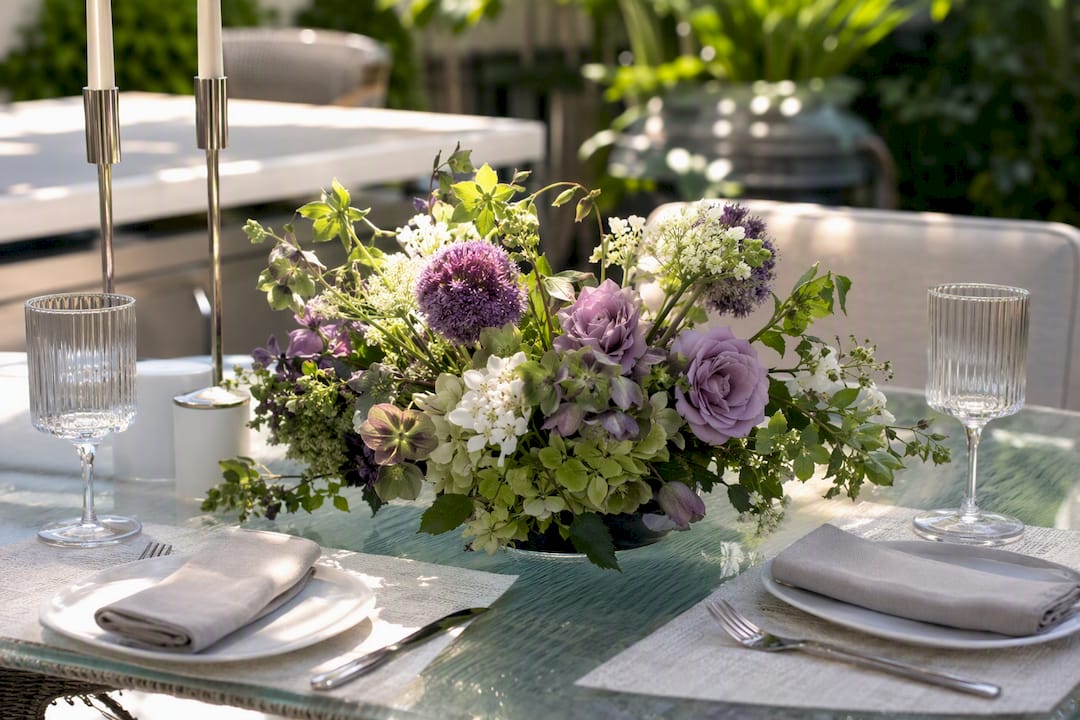
The best restaurant table flowers stay compact, low-scent, and easy to service: think mono-stem bud vases under 8 inches or dramatic tall arrangements above 24 inches, never anything mid-height that blocks a conversation across the table. Fresh flowers deliver the most polish but need weekly upkeep; preserved botanicals hold their look for a year or more with almost no maintenance; faux works for long-term installs where nobody’s watching the water level. Malik Flowers builds all three into custom restaurant programs across Metro Vancouver.
TL;DR:
- Most restaurant centerpieces should stay below 12 inches or be taller than 24 inches to avoid obstructing sight lines during conversation.
- Preserved botanicals last 1 to 3 years with minimal upkeep and are cost-effective for long-term installations, unlike fresh flowers that last only about a week.
- Arrangements must be stable, weighted, and placed selectively on key points like window tables, bars, and host stands to reduce spill risk and maintain visual harmony.
- Using non-fragrant flowers and trimming stems helps prevent scent clashes and keeps arrangements food-safe, especially near dining surfaces.
- Hourly or daily service schedules, focusing on preservation and strategic placement, reduce floral maintenance costs and improve overall table presentation.
Table of Contents
- 10 Practical Table Centerpiece Ideas Restaurants Can Use Right Away
- Sight Lines, Scent, and Stability: The Rules Real Restaurants Follow
- Fresh, Preserved, Dried, or Artificial: What Actually Fits Your Restaurant
- Maintenance, Service Schedules, and Budgeting for Restaurant Flowers
- How Malik Flowers Builds a Restaurant Floral Program
- Why the Cheapest Flower Rule Usually Backfires
- Get Restaurant-Ready Flowers Without the Guesswork
- Sources
- FAQ
10 Practical Table Centerpiece Ideas Restaurants Can Use Right Away
Most restaurant floral disasters come from copying a wedding centerpiece onto a 24 inch two-top. Dining tables need arrangements that solve for sight lines, spill risk, and turnover, not just color. These ten ideas come from what’s actually working in dining rooms right now, adapted from the small bud vases, low clusters, and single-stem looks showing up across restaurant table decor inspiration:
- Mono-stem in a bud vase (orchid or ranunculus): the go-to for intimate two-tops where every inch of surface matters.
- Low garden cluster in a shallow bowl: cozy, textured, and forgiving in booths or banquette seating.
- Single bloom on a mirror or slate base: minimal and dramatic for fine dining rooms that want negative space.
- Preserved mono stem in ceramic: near-zero upkeep, ideal for daily service tables nobody refreshes weekly.
- Small potted succulents or mini-plants: zero pollen, long life, great for tables near open kitchens.
- Bud vase cluster of 3 to 5 stems with neutral greenery: reads well on bar tops and communal tables.
- Seasonal twig or branch accents: low scent, strong texture for fall and winter menus.
- Mini candle paired with a tiny floral accent: works for evening service, but keep the flame clear of napkins and sleeves.
- Dried-grass textural arrangements: rustic, durable, and a smart pick for low-maintenance casual venues.
- A single tall statement stem above 24 inches: reserve this for private rooms or the host stand, where height won’t block a sight line.
The common thread: every idea above respects the table’s job, which is to hold plates and glasses, not compete with them.
Sight Lines, Scent, and Stability: The Rules Real Restaurants Follow
Hospitality florists didn’t invent these rules for style points. They exist because a centerpiece that blocks a conversation or clashes with a wine list actively hurts the dining experience.
- Follow the sight-line rule. Keep table arrangements under about 8 to 12 inches, or go deliberately tall above 24 inches, following hospitality floral design guidelines. Anything in between sits at exactly the height where it blocks eye contact across a two-top, which is why hospitality florists build their entire program around this threshold.
- Skip the heavy perfume. Stargazer lilies, tuberose, hyacinth, and gardenia smell wonderful in a florist’s cooler and terrible next to a plate of seared scallops. Strong floral scent competes directly with food and wine, which is reason enough to leave those varieties off the order.
- Choose stable, weighted bases. A tall, narrow vase on a four-top near a walkway is a spill waiting to happen. Wide, low, or weighted containers hold up better in high-traffic zones.
- Place selectively, not everywhere. Window two-tops, the bar, and the host stand earn the visual investment; busy family booths and communal tables often don’t need flowers at all.
- Keep stems and pollen away from food. Trim stems short, change water on schedule, and check for loose pollen before service, especially with lilies.
Pro Tip: If you’re only budgeting flowers for a handful of spots, put them where guests linger longest, like the window two-tops and the host stand, rather than spreading a thin arrangement across every table in the room.
Fresh, Preserved, Dried, or Artificial: What Actually Fits Your Restaurant
The material you choose determines your labor cost more than your design budget does. Here’s how the four main options actually compare in a working dining room:
- Fresh flowers look the best and photograph well, but they last roughly 5 to 7 days and need refresh visits once or twice a week. That short lifespan is the tradeoff for peak visual quality.
- Preserved flowers are real botanicals treated to hold their shape and color for 1 to 3 years with almost no daily maintenance, making them one of the most cost-effective options for a permanent or semi-permanent table program. They also carry a lower allergy and mold risk than fresh blooms, which matters in a food-service environment.
- Dried arrangements bring a rustic texture at a lower price point, though they’re fragile and can look dusty if not rotated.
- Artificial flowers cost almost nothing to maintain and hold up indefinitely, but cheap silk reads as cheap silk. Higher-grade faux options are widely available if you go this route. Quality matters more here than anywhere else on this list.
A high-turnover bistro usually does best with preserved or faux. A private dining room booked for anniversaries and proposals is worth the labor of fresh. Preserved botanicals have also become a favored choice in recent biophilic design trends precisely because they deliver a consistent, living presence without the weekly logistics fresh flowers demand.
Maintenance, Service Schedules, and Budgeting for Restaurant Flowers
A floral program lives or dies on its refresh schedule, not its initial install. Hospitality floral contracts typically include vase cleaning, water changes, stem trimming, and spot replacement of spent blooms as standard visit tasks, not extras.
Three common service models cover most restaurants:
- Event-only install: a one-time setup for a private party or seasonal menu launch, no recurring visits.
- Weekly refresh: one visit per week, best suited to preserved arrangements or low-turnover dining rooms.
- Twice-weekly refresh: common for high-turnover restaurants that want fresh flowers looking sharp through a busy weekend, often scheduled midweek and again before Friday service.
Weekly investment for a restaurant program varies widely by scale, from a few hundred dollars for a handful of tables to several thousand for a full dining room at a high-end property. When you brief a florist, give them the table count, your preferred delivery window before service starts, access instructions for after-hours drop-off, and whether you have cooler storage on site. That last detail alone changes what a florist can safely deliver and when.
How Malik Flowers Builds a Restaurant Floral Program
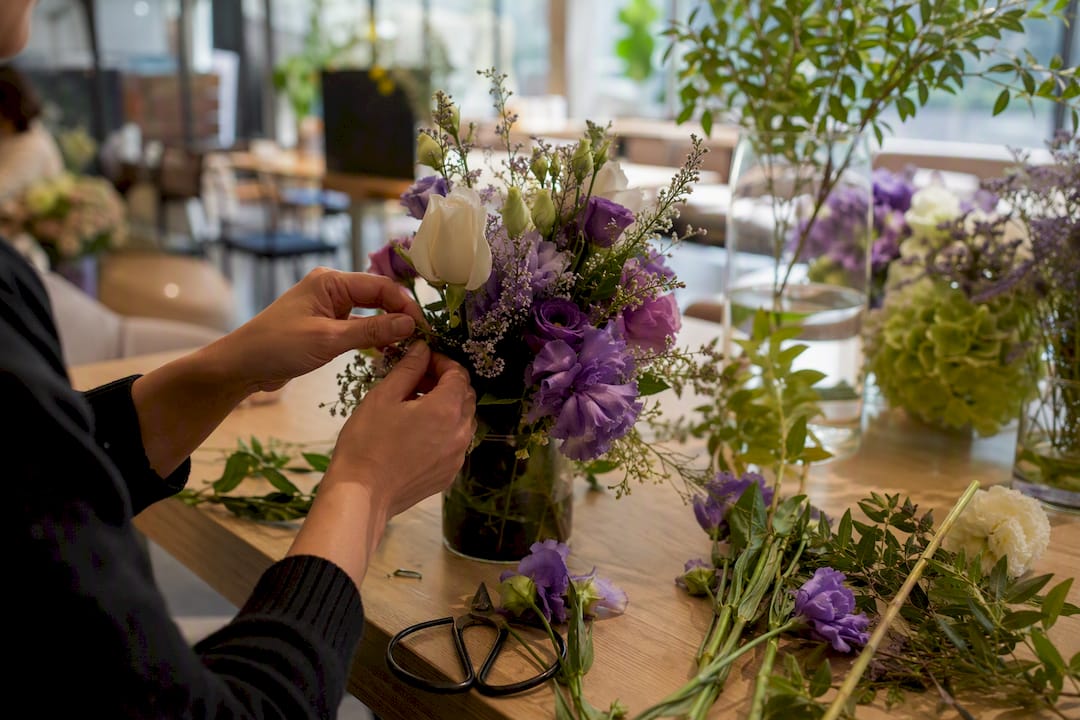
Malik Flowers puts together handcrafted arrangements with same-day delivery across Metro Vancouver, which makes it practical for restaurants that need a floral partner who can actually show up on their schedule, not just their own.
A typical program runs in four steps:
- Consult: share table count, dining style, and whether you want fresh or preserved.
- Sample arrangement: see a proposed centerpiece before committing to a recurring order.
- Scheduled delivery and refresh: arrangements arrive ahead of service, timed to your open hours.
- Feedback loop with a satisfaction guarantee: if a design misses the mark, it gets addressed, backed by Malik Flowers’ refund policy on arrangements that don’t land.
Deliveries typically land before lunch or dinner service starts, keeping installs out of the way during prep.
Why the Cheapest Flower Rule Usually Backfires
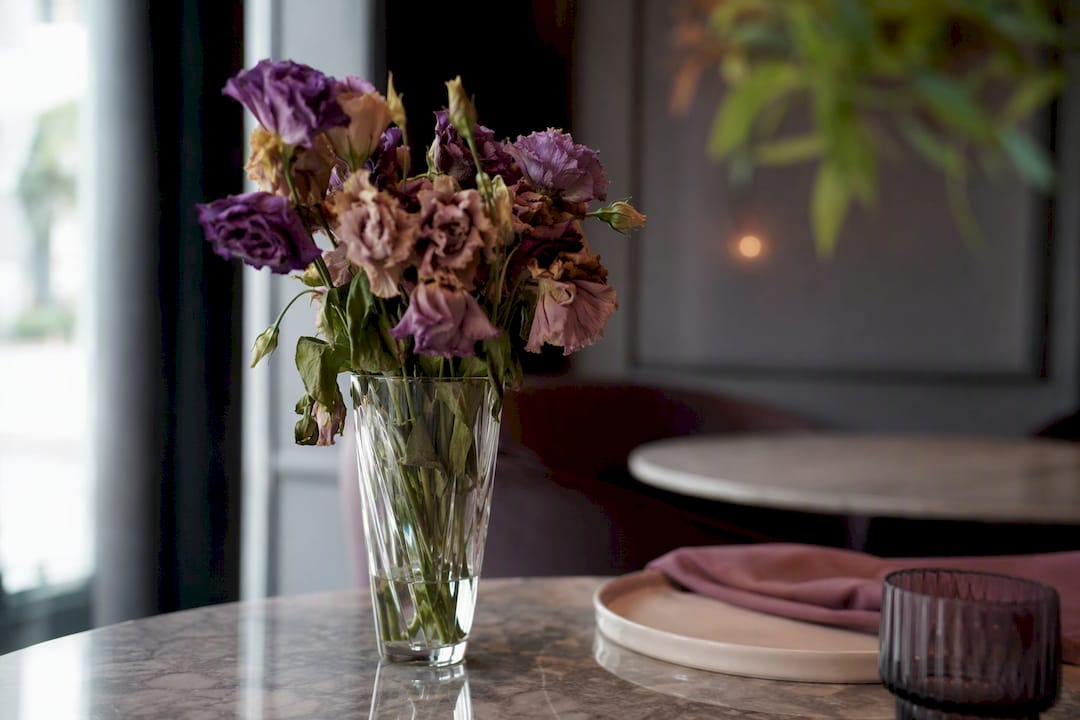
Most restaurants default to whatever’s freshest and prettiest at the market, and that’s exactly backwards for daily dining service. Fresh flowers make sense for a wedding table you’ll see once. A restaurant table gets used 300 nights a year, and the flowers that photograph beautifully on day one often look tired by day four, right when a food critic walks in.
The rule that actually saves money: match the material to how often you can realistically send someone to check on it. A restaurant with a tight kitchen team and no dedicated front-of-house stylist does better with preserved mono stems than a fresh arrangement nobody remembers to water. One dining room I’ve seen switch from weekly fresh roses to preserved eucalypts cut their floral labor complaints to zero within a month, simply because nothing needed daily attention.
If you’re not sure which material fits your service style, request a sample arrangement before committing to a weekly contract. It’s a cheap way to find out if preserved or fresh actually suits your dining room.
— Reza
Get Restaurant-Ready Flowers Without the Guesswork
Malik Flowers builds custom table arrangements for restaurants across Metro Vancouver, with same-day delivery when you need flowers on short notice and a satisfaction guarantee if a design doesn’t land the way you expected. Compared to piecing together centerpieces from a grocery store run or hiring a generic event florist unfamiliar with dining room constraints, you get someone who already understands sight-line limits, scent sensitivity, and refresh scheduling for working kitchens.
Services include one-off event installs, scheduled weekly or twice-weekly refreshes, and seasonal palette swaps like the spring collection for menu launches or holiday events. For a rustic or seasonal centerpiece angle, holiday-specific styling ideas can help you plan around your busiest calendar dates. Browse the full product catalog to see sample arrangements and request a quote for your table count, or reach out for a consultation to build a recurring floral program around your service schedule.
Sources
- Restaurant Weekly Flowers NYC: A Florist’s B2B Service & Pricing Guide – TJ Flowers & Events
- Are Preserved Flowers Suitable for Restaurants? The Complete Guide to Hospitality Floral Decor
- Learn How to Get Restaurant and Hotel Floral Design Clients — TeamFlower education
FAQ
What are the best flowers to put on a dining table?
Low, compact varieties like orchids, ranunculus, and garden roses work well because they stay under 8 to 12 inches and don’t overpower the table with scent. Avoid heavily fragranced blooms like stargazer lilies or hyacinth near dining areas.
What is the 3:5:8 rule for flowers?
That’s a floral design ratio for arrangement proportion, generally used to balance stem heights within a single piece. For restaurant tables specifically, the more relevant guideline is the sight-line rule: keep arrangements under 8 to 12 inches or intentionally tall above 24 inches.
Do you put flowers on the dining table?
Many restaurants do, but selectively rather than on every table. Window two-tops, the bar, and the host stand typically get the visual investment, while busy family booths often skip flowers entirely to save on maintenance cost.
What are flowers on a table called?
A floral arrangement placed on a table is commonly called a centerpiece. In restaurant settings, smaller versions are often called bud vase arrangements or table accents, depending on scale.