
13 Romantic Flowers with One Line Card Messages for Every Occasion
13 Romantic Flowers with One Line Card Messages for Every Occasion
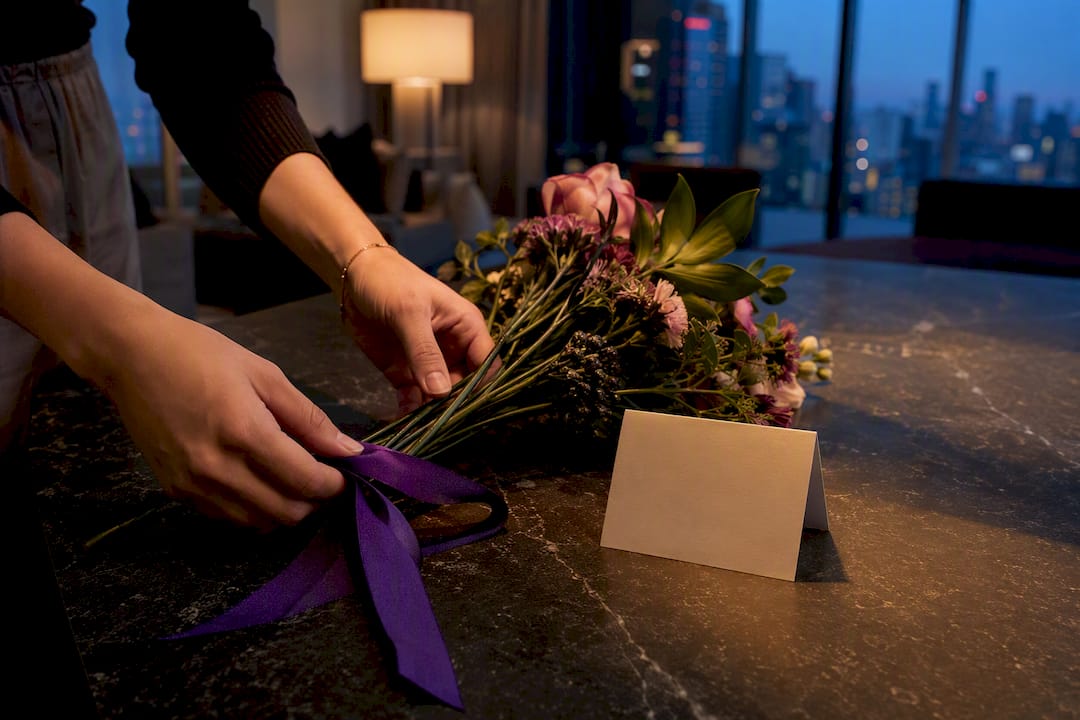
Red roses, peonies, tulips, orchids, and ranunculus are the fastest way to be read as romantic, and every florist worth their apron will tell you the rule that actually matters: choose fewer, higher-quality stems, selected with intentional meaning, over a big generic bunch. This guide breaks down what each bloom says, what color changes about the message, how to pick based on where the relationship stands, and how to keep the flowers alive long enough to matter.
TL;DR:
- Red roses are best for anniversaries or first declarations of love, with a small bouquet of a dozen or fewer stems being ideal.
- Peonies symbolize shy devotion and are most suitable for long-term anniversaries, but they are seasonally limited to late spring.
- Tulips, especially in red or pink, are low-pressure choices for early dating, available year-round and giving a light, casual romantic message.
- Orchids convey refined affection and last two to three weeks, making them a good option for milestone gifts or sophisticated partners.
- The meaning of flower colors varies; red signals passionate love, pink represents admiration, and white indicates sincerity or apology, but cultural context influences interpretation.
Table of Contents
- The Best Romantic Flowers Guide: 12 Blooms and What They Say
- What Do Colors Mean in a Romantic Bouquet?
- How Do You Choose Flowers for Each Relationship Stage?
- Gifting Etiquette: How Often, How Much, and Where
- How Do You Keep Romantic Flowers Fresh Longer?
- Common Mistakes to Avoid When Gifting Romantic Flowers
- Ideas for Unique or Personalized Romantic Floral Gifts
- What I’ve Learned About What Actually Makes a Bouquet Feel Romantic
- Ready to Send Something That Actually Feels Personal?
- Sources
- FAQ
The Best Romantic Flowers Guide: 12 Blooms and What They Say
Not every flower reads as romantic, and the ones that do carry different weight depending on species, color, and context. Floriography, the Victorian practice of assigning meaning to flowers, still shapes how we interpret a bouquet today, even though modern florists treat it more as a starting point than a strict rulebook, according to Wikipedia’s overview of the language of flowers. Here’s the shortlist that actually moves the needle in a romantic gift.
- Red rose. The default symbol of passionate love, and for good reason. Best for anniversaries or a first “I love you.” Buy in small, thoughtful quantities; a dozen or fewer stems are typical choices.
- Peony. Signals romance and a kind of shy devotion, per Smithsonian Gardens. Best for anniversaries, especially longer ones. Peonies bloom mainly in late spring, making fresh availability less common in fall and winter.
- Tulip (red or pink). A lighter, less formal declaration of love, great for early relationships. Best for a second or third date. Tulips are inexpensive and widely available most of the year, which makes them a low-pressure choice.
- Orchid. Reads as refined, exotic affection rather than urgent passion. Best for a partner with sophisticated taste or a milestone dinner. Orchids last longer than many cut flowers, often extending their vase life for up to two to three weeks.
- Ranunculus. Delicate, layered petals that suggest charm and radiant attraction. Best for “just because” gestures. They’re a favorite among florists for texture, but they have a shorter season, generally appearing in winter and early spring.
- Lisianthus. A rose look-alike that signals appreciation and outgoing love. Best paired into a mixed romantic bouquet rather than sent alone. Long vase life makes it a practical filler.
- Lily-of-the-valley. Traditionally tied to sweetness and a return of happiness. Best for a low-key, sentimental note. The scent is strong, so skip it for anyone sensitive to fragrance.
- Gardenia. Associated with secret or hidden love. Best for a private, quiet gesture rather than a public one. The bruising-prone petals need gentle handling.
- Lavender. Suggests devotion and calm affection rather than fire. Best mixed into a bouquet for someone who prefers subtlety. Great for scent, but overpowering in a small room.
- Carnation. Underrated when arranged well; a deep red carnation traditionally signals deep love and admiration. Best for a first anniversary. Cheap, but styled with texture (not alone in a plastic sleeve), it reads intentional.
- Sunflower. Less about romance, more about adoration and loyalty. Best for a partner who wants joy over intensity. Big and bold, so it works better as a statement piece than a subtle one.
- Hydrangea. Symbolizes heartfelt gratitude and genuine emotion. Best for a “thank you for being you” moment. Needs water constantly. It wilts fastest of anything on this list.
- Calla lily. Elegant, associated with magnificent beauty and admiration. Best for a formal romantic occasion, like an engagement dinner. Pairs beautifully in monochrome, all-white arrangements.
Florist resources consistently point to rose, peony, tulip, orchid, and ranunculus as the modern core of romantic gifting, with the rest working as supporting cast depending on the occasion and message you’re going for.
What Do Colors Mean in a Romantic Bouquet?
Species picks the flower. Color picks the tone. The same rose in a different shade can shift a bouquet from “I’m falling for you” to “I’m sorry” in one swap.
- Red signals passionate, committed love. Card line: “Every day with you feels like this.”
- Pink softens it into admiration or new affection. Card line: “Getting to know you has been the best part of my week.”
- White reads as pure, sincere, or apologetic. Card line: “I’m sorry, and I mean it.”
- Peach lands between friendship and romance, warm but not overwhelming. Card line: “Thinking of you today.”
- Yellow traditionally means friendship or joy, which makes it risky for romance unless mixed with red or pink. Card line: “You make everything brighter.”
- Purple suggests enchantment or love at first sight, especially in deeper shades. Card line: “I can’t stop thinking about you.”
Color meaning shifts by culture and context, so a shade that reads romantic in one setting can read platonic in another, according to garden institutions that study floral symbolism. Never treat a color as a universal code. It’s a strong signal, not a guarantee.
Pro Tip: Combine two species in the same color family (say, red roses with deep burgundy ranunculus) for a bouquet that feels layered instead of matched off a shelf.
How Do You Choose Flowers for Each Relationship Stage?
Scale and formality should track where the relationship actually is, not where you want it to be.
- First dates: a single stem or a small posy of a small number of blooms. Tulips or lisianthus work well; anything larger reads as too much, too soon.
- Early relationship: a modest mixed bouquet, tulips plus lisianthus or ranunculus, signals interest without pressure.
- Established relationship or anniversary: go bigger and richer. Peonies, garden roses, or a full dozen red roses fit here.
- Apology: white or soft pastel blooms, understated arrangement, no oversized statement pieces. The goal is sincerity, not spectacle.
- Proposal: long-stem red roses or a custom statement arrangement built around the moment.
If you’re sending flowers to a workplace, keep the arrangement compact and the note discreet. Big, showy deliveries can put a partner in an awkward spot with coworkers, so check our guide to flowers for coworkers for etiquette that also applies to romantic sends at the office. Watch scent sensitivity (lilies and lavender are strong), confirm the recipient actually has a vase, and check seasonal availability before locking in a specific bloom.
Gifting Etiquette: How Often, How Much, and Where
Frequency depends more on the relationship than any hard rule. Some couples send flowers only on big occasions; others do it monthly as a standing gesture, and both patterns are common depending on preference and budget.
- Basic (grocery store): suitable for spontaneous “just because” gestures, though less suited for major occasions.
- Florist mid-range: a common choice that balances quality and cost for many romantic events.
- Premium or custom: typically chosen for notable occasions such as anniversaries, proposals, or sincere apologies.
Home delivery feels more private and personal. Office delivery is public by nature, better for milestone announcements than intimate gestures. Keep the card note short and specific: “For the twelfth time, still my favorite person” beats a generic “I love you” every time. Include a vase only if you know the recipient doesn’t already own one, and always check seasonal availability, since peonies and ranunculus disappear for months at a time.
Pro Tip: If you’re not sure whether to include a vase, a wrapped bouquet with a request to “add water and trim an inch off the stems” reads just as thoughtful and skips the clutter.
How Do You Keep Romantic Flowers Fresh Longer?
Fresh flowers start dying the moment they’re cut, but a few habits slow that down considerably.
- Recut stems at a 45 degree angle and remove any leaves that would sit below the water line.
- Use a clean vase, lukewarm water, and the flower food packet that comes with the arrangement.
- Refresh the water every two to three days, recutting stems each time.
- Keep the vase away from direct sun, heating vents, and ripening fruit, which speeds up wilting.
- Skip strongly scented blooms like lilies for anyone sensitive to fragrance in a small space.
- If stems go limp, recut them underwater and give the flower an hour to recover before giving up on it.
These steps are standard floristry practice and they genuinely extend vase life, sometimes by several days.
Common Mistakes to Avoid When Gifting Romantic Flowers
The biggest mistake is volume over intention. A giant grocery-store bunch wrapped in plastic reads as an afterthought, while five carefully chosen stems read as effort. Size doesn’t fix a rushed gift.
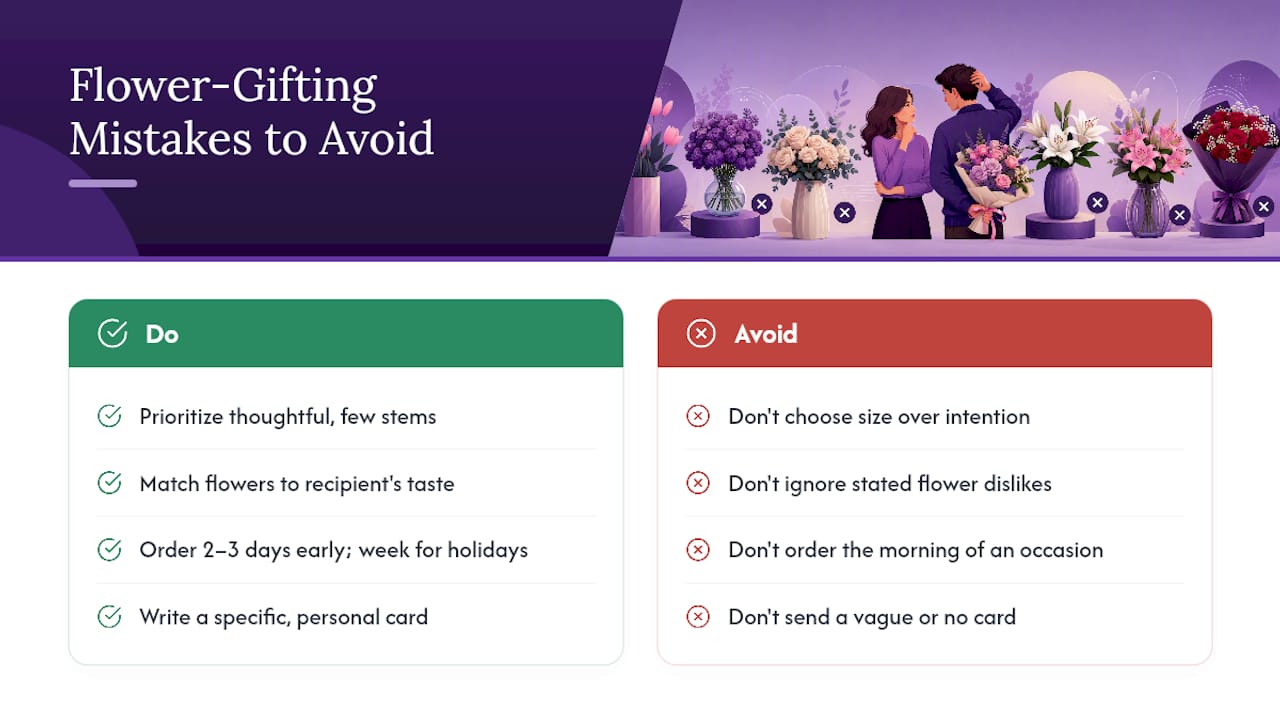
The second mistake is ignoring the recipient’s actual taste. If your partner has said they dislike lilies or find carnations cheap-looking, sending either anyway (even in a beautiful arrangement) signals you weren’t paying attention. Florist guidance is consistent on this: the flowers that land best evoke a memory, a shared moment, or the recipient’s own style, not a generic template of what romance is “supposed” to look like.
Third, people underestimate timing. Ordering the morning of Valentine’s Day or an anniversary limits your options to whatever’s left, often the least personal choices in stock. Order two to three days ahead for regular occasions and a full week ahead for major holidays.
Fourth, skipping the card or writing something too vague. “Thinking of you” on every bouquet, every time, starts to feel like a form letter. Say something specific to that relationship.
Finally, sending scent-heavy flowers to a small office or shared apartment without checking first. A gorgeous bouquet becomes a headache, literally, if lily pollen sets off a sensitive coworker or roommate.
Ideas for Unique or Personalized Romantic Floral Gifts
A standard bouquet works, but the gifts people actually remember usually have one personal detail attached.
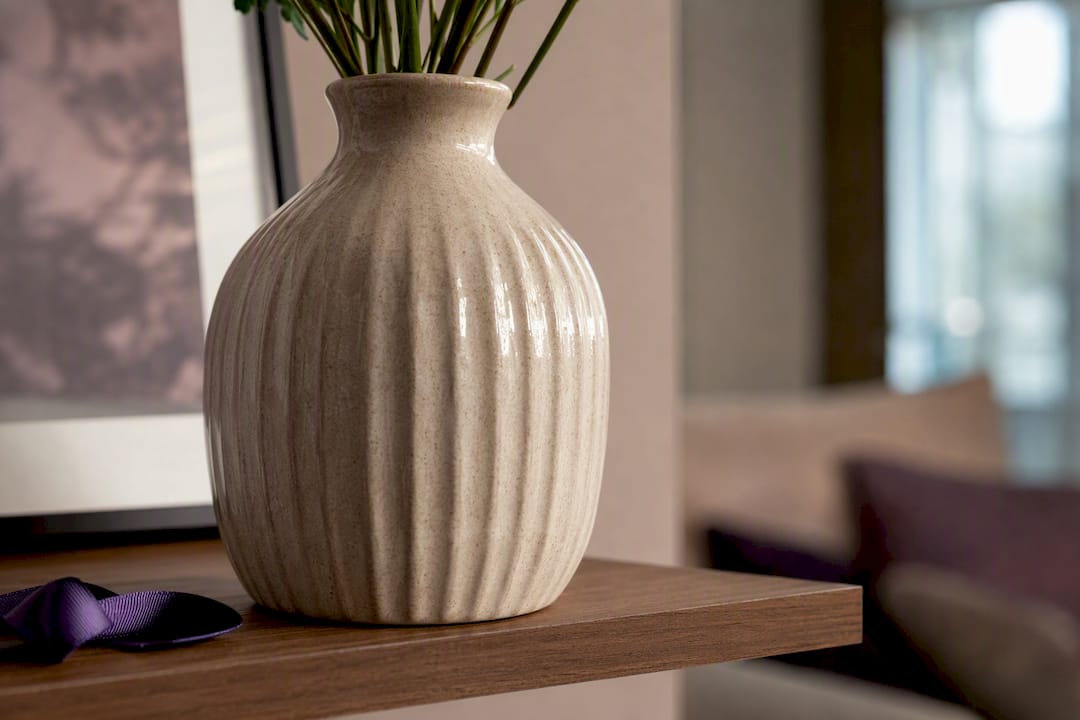
Try matching the bouquet to a shared memory: the flower that was blooming on your first date, or the color from her wedding dress if this is a specific anniversary. Pairing flowers with a small, complementary object also elevates the gift without turning it into two separate presents. A decorative vase chosen to match the recipient’s home decor turns a one-time bouquet into something they’ll reuse and think of you every time.
Personalized add-ons work well too. A custom-printed keepsake alongside the arrangement gives the gift a shelf life beyond the week the flowers last. Subscription-style recurring deliveries are another underused option: instead of one big gesture, smaller bouquets arriving on a regular schedule keep the relationship’s romantic gestures from feeling like they only happen on obligation dates.
If you genuinely don’t know what to pick, ask the florist to build around a mood rather than a species, something like “quietly romantic” or “playful and bright.” A good florist can translate that into a combination you’d never have thought to request yourself.
What I’ve Learned About What Actually Makes a Bouquet Feel Romantic
After years around this industry, the pattern is consistent: the bouquets that land hardest are never the biggest ones. They’re the ones where someone clearly thought about the person receiving them, not just the occasion on the calendar. A handful of peonies chosen because she mentioned loving them once, months ago, beats two dozen roses picked because it’s what you’re “supposed” to send. That’s the whole philosophy behind handcrafted floral arrangements with a satisfaction guarantee behind every delivery: if the design doesn’t feel right for the moment, it hasn’t done its job.
— Reza
Ready to Send Something That Actually Feels Personal?
Skip the grocery store cooler and the generic “romance bundle.” Some florists build handcrafted arrangements around the actual occasion and person, with a satisfaction guarantee behind some designs and deliveries. Browse the curated Love & Romance collection for ready-made bouquets built around the meanings covered in this guide, or check the Just Because collection if you’re planning a spontaneous gesture rather than waiting for a calendar occasion.
If you’d rather start from scratch, request a custom bouquet built around a specific memory, color palette, or bloom from this guide, and pick your delivery window at checkout.
Sources
- Language of flowers — Wikipedia
- Meaning of flowers | Smithsonian Gardens
- Take It From a Woman: Read This Before You Buy Her Flowers - InsideHook
- Flower symbolism: what every flower means | Flower Icon
FAQ
What Is the 3:5:8 Rule for Flowers?
It’s a floral design guideline suggesting arrangements look most balanced with three focal flowers, five secondary blooms, and eight filler stems, though florists treat it as a loose starting point, not a fixed formula.
What Flower Means “I Love You Secretly”?
The gardenia is traditionally tied to hidden or secret love, making it a fitting choice for a quiet, private gesture rather than a public declaration.
What Flowers Represent Romantic Love?
Red roses, peonies, tulips, orchids, and ranunculus are the flowers most consistently linked to romantic love, with red roses specifically symbolizing passionate, committed love.
What Is the Most Intimate Flower?
Gardenia and lily-of-the-valley both carry intimate, personal meanings, tied respectively to secret love and quiet sentimentality, making them better suited to private moments than grand gestures.
How Often Should You Send Romantic Flowers?
There’s no single correct frequency. Some couples reserve flowers for major occasions, while others send them monthly as a standing gesture, and both approaches work depending on preference and budget.