Scented vs Unscented Flowers: What to Pick and Why
Scented vs Unscented Flowers: What to Pick and Why
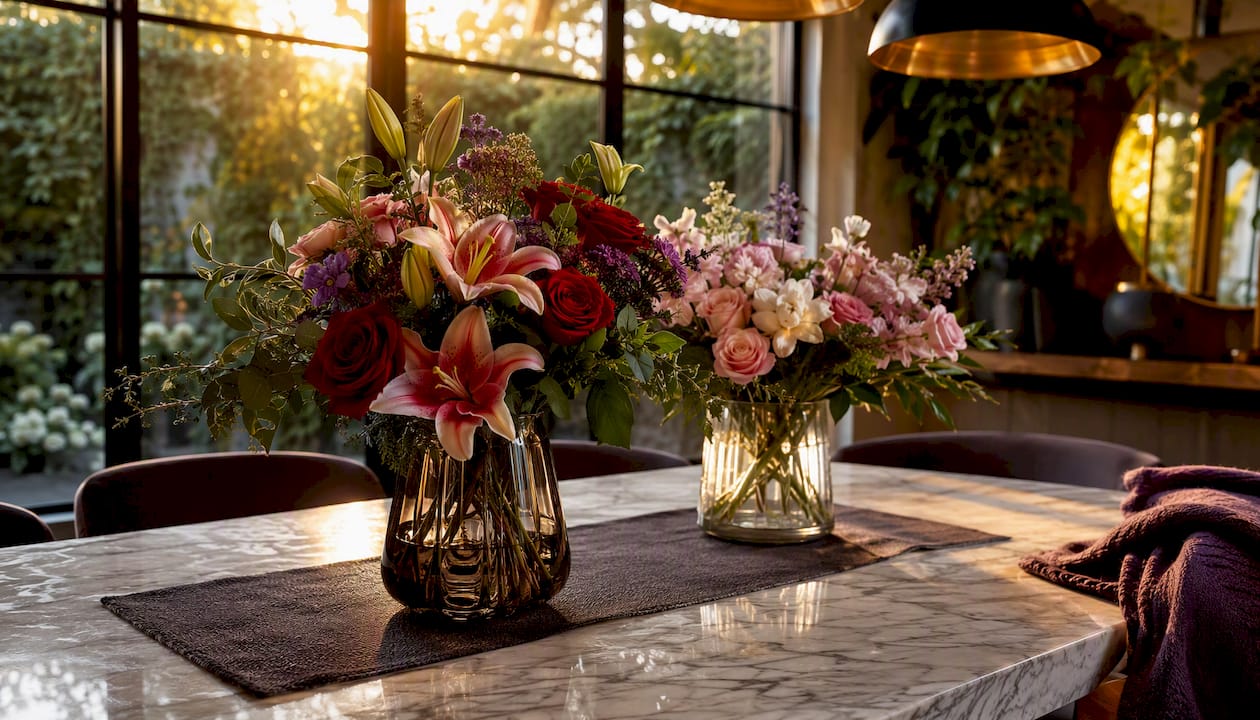
Scented flowers release volatile compounds strong enough for people standing a few feet away to smell them. Unscented, or low-fragrance, flowers emit little to none that a person can detect, even though many still produce trace volatile organic compounds picked up mainly by pollinators. The simplest rule: choose scented blooms like garden roses, freesia, or lavender for small, intimate settings where sensory impact matters, and lean on low-fragrance stems like tulips or hydrangea for weddings, hospitals, or anywhere near food. Fragrance varies this much because of species genetics, decades of breeding choices, and what happens to a stem between the field and your vase.
- Scented = detectable aroma at normal room distance
- Unscented = little to no smell to most people, though some VOCs may persist
- Main scent drivers = genetics, breeding priorities, harvest and shipping conditions
Key Takeaways
Fragrance in cut flowers depends on species genetics, breeding priorities, and how stems are handled after harvest, not on price or appearance alone.
| Point | Details |
|---|---|
| Scent is genetic first | Species like freesia and garden roses produce strong VOCs naturally; others were never bred to. |
| Breeding often trades scent for shelf life | Vase life, color, and shipping durability routinely outrank fragrance in commercial breeding. |
| Fragrance is measurable | Sensory panels rate freesia at 6.95 intensity out of 10, versus 3.96 for chrysanthemum. |
| Match scent to the setting | Use scented focal flowers with low-fragrance fillers to control intensity in shared spaces. |
| Malikflowers sources for scent on request | Ask for “scent-forward” or “locally sourced fragrant stems” when ordering handcrafted bouquets. |
Table of Contents
- How Floral Scent Actually Works
- Why So Many Grocery-Store Flowers Barely Smell
- The Best Smelling Flowers to Ask For
- Common Unscented Flowers Used in Bouquets
- Choosing Scented vs Unscented Flowers for Your Situation
- How to Bring Out More Scent in Cut Flowers
- What Research Actually Shows About Floral Fragrance
- A Florist’s Take on Balancing Scent and Longevity
- Order Fragrant, Handcrafted Bouquets From Malikflowers
- Sources
- FAQ
How Floral Scent Actually Works
Floral scent is a cocktail of volatile organic compounds (VOCs) released mainly from petals, though nectaries and specialized cells called osmophores contribute too. Chemists group these compounds into a few broad families: terpenoids (the piney, citrusy notes), phenylpropanoids and benzenoids (spicy, vanilla-like, floral-sweet), and fatty-acid derivatives (grassy, green undertones). No two species produce quite the same blend, and research shows a single flower can generate hundreds of distinct compounds at once.
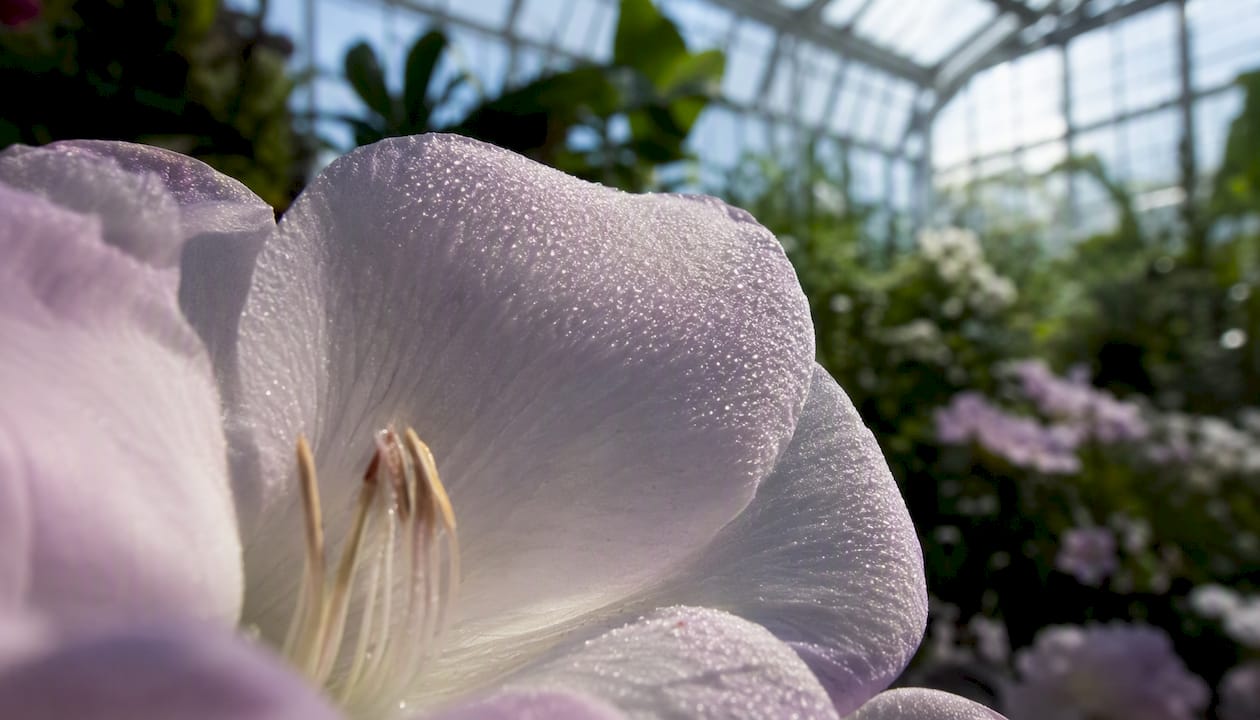
Scent isn’t constant. Many flowers ramp up emission at specific times, often peaking around pollination readiness and fading as blooms age or sit too long after cutting. Some species save their strongest fragrance for dusk, timed to match night-flying pollinators, according to Washington State University Extension.
Pro Tip: When scent matters, ask the grower when and where the stems were cut. Local, field-harvested morning blooms almost always smell stronger than stems that traveled for days in cold storage.
Why So Many Grocery-Store Flowers Barely Smell
Walk into most supermarkets and grab a bunch of roses, and you’ll notice something: barely a whiff. That’s not an accident. Breeders selecting for commercial success have spent generations prioritizing traits that matter for a shelf, not a nose.
- Vase life over fragrance. Longer-lasting blooms sell better, and fragrance compounds and cold tolerance don’t always travel together in the same cultivars.
- Shipping durability wins. Petal count, color saturation, and disease resistance get bred in; scent often gets bred out along the way.
- Cold-chain logistics matter. Stems cut early and held in refrigeration for days lose volatile emission before they ever reach a shopper.
- Ethylene sensitivity plays a role. Growers often select ethylene-tolerant cultivars for longevity, and that selection can incidentally mute aroma.
Roses are the textbook case. The classic damask rose scent survives in heirloom and garden varieties, but many mass-market hybrids were bred for bigger blooms, brighter color, and two extra weeks in a vase. Industry reporting confirms breeders have consistently ranked color, vase life, and transportability above fragrance for decades, which is exactly why a $15 grocery store rose bouquet often smells like nothing at all.
The Best Smelling Flowers to Ask For
If fragrance is the point, these are the reliable performers:
- Freesia — sweet, slightly citrusy, and rated the highest-liked scent in sensory panel testing.
- Gardenia — heavy, creamy, almost intoxicating; usually sold as a potted plant rather than a cut stem.
- Lavender — herbal, calming, and holds its scent well even dried.
- Jasmine — sweet and heady; more common as a flowering plant or in mixed floral accents than a standalone cut stem.
- Oriental lily — bold, spicy-sweet, and strong enough that a single stem can scent a whole room.
- Stock (Matthiola) — clove-like and spicy, a florist favorite for fragrant mixed bouquets.
- Sweet pea — light, honeyed, and seasonal, typically available in spring.
- Narcissus (paperwhites) — sharp, musky, polarizing but unmistakable.
- Garden roses — old-fashioned varieties bred for scent rather than shelf life.
Availability shifts by season, so a sweet pea in December is unlikely, while narcissus peaks in late winter. Ask specifically for varietal names or locally sourced stems if you want maximum aroma. Malikflowers’ spring collection leans on exactly this kind of seasonal sourcing when fragrance is the goal.
Common Unscented Flowers Used in Bouquets
For allergy-sensitive guests, large events, or anywhere near a dining table, low-fragrance stems are the safer bet. Tulips, hydrangea, snapdragons, Phalaenopsis orchids, most chrysanthemums, and anemones all fall into this category, prized for color and shape rather than aroma.
- Tulips — bold color range, virtually odorless, and widely available year-round.
- Hydrangea — big, textural blooms with faint to no detectable scent.
- Snapdragons — vertical structure for arrangements, minimal fragrance.
- Phalaenopsis orchids — long-lasting and elegant, essentially scentless to most noses.
- Chrysanthemums — dependable filler with low fragrance intensity, confirmed in the same sensory panel that rated freesia highest, where mums scored just 3.96 out of 10 for intensity.
- Anemones — delicate, poppy-like petals with next to no smell.
“Unscented” doesn’t always mean zero VOCs; it usually means the compounds present fall below what a human nose reliably picks up. If you need something genuinely fragrance-free, ask your florist directly and, when possible, smell a sample stem before you order.
Choosing Scented vs Unscented Flowers for Your Situation
The right call depends less on personal taste and more on the setting. A wedding reception with 150 guests behaves nothing like a bedside get-well bouquet.
Run through these factors before deciding:
- Allergy risk. Strong fragrance can trigger headaches or sinus reactions in sensitive guests.
- Venue ventilation. Small, closed rooms concentrate scent fast; open or outdoor spaces dilute it.
- Proximity to food. Heavy floral aroma competes with and can distort taste, a real issue at dinners and receptions.
- Number of arrangements. Ten strongly scented centerpieces in one room can overwhelm even fragrance lovers.
- Recipient preference. Some people genuinely dislike floral scent; ask before assuming.
- Availability and season. The most fragrant options aren’t always in stock; a florist can suggest a close substitute.
A practical middle ground: pair a few scented focal flowers, like garden roses or stock, with low-fragrance fillers such as hydrangea or ferns. You get aromatic impact without turning the whole arrangement into a perfume cloud.
How to Bring Out More Scent in Cut Flowers
A few small habits make a real difference in how much aroma a bouquet actually gives off. Re-cut stems at an angle and refresh the water regularly, keeping arrangements at room temperature, away from direct sun or heating vents. Place fragrant blooms near seating areas rather than directly over a dining table.
- Add the most strongly scented stems the day of the event, not days before.
- Store cut flowers overnight somewhere cool and slightly humid to preserve their volatiles.
- Keep vases out of drafts and direct sunlight, both of which speed up scent loss.
Pro Tip: For small arrangements, gently bruising a petal or two on a strongly scented bloom, like stock or lily, can release noticeably more fragrance without damaging the overall look.
What Research Actually Shows About Floral Fragrance
Fragrance isn’t just a subjective impression; it’s measurable. A 2020 sensorial and gas chromatography study had an 80-person panel rate cut flowers, and freesia topped the charts for both liking (6.91 out of 10) and intensity (6.95 out of 10), while chrysanthemum trailed far behind at 3.96 for intensity.
Panelists consistently ranked freesia as both the most pleasant and the most intense scent among the flowers tested, while chrysanthemum registered as noticeably faint by comparison.
Biochemical research backs this up on a genetic level. Purdue University researchers, including scientist Natalia Dudareva, have mapped biosynthetic pathways that control when and how much scent a flower produces, and more recent reviews describe transcription factors like ODO1 that regulate this process at the genetic level. The takeaway for shoppers: fragrance has become a specialty trait, not a default one, because breeders had to actively select for it rather than assume it would show up alongside color and shape.
A Florist’s Take on Balancing Scent and Longevity
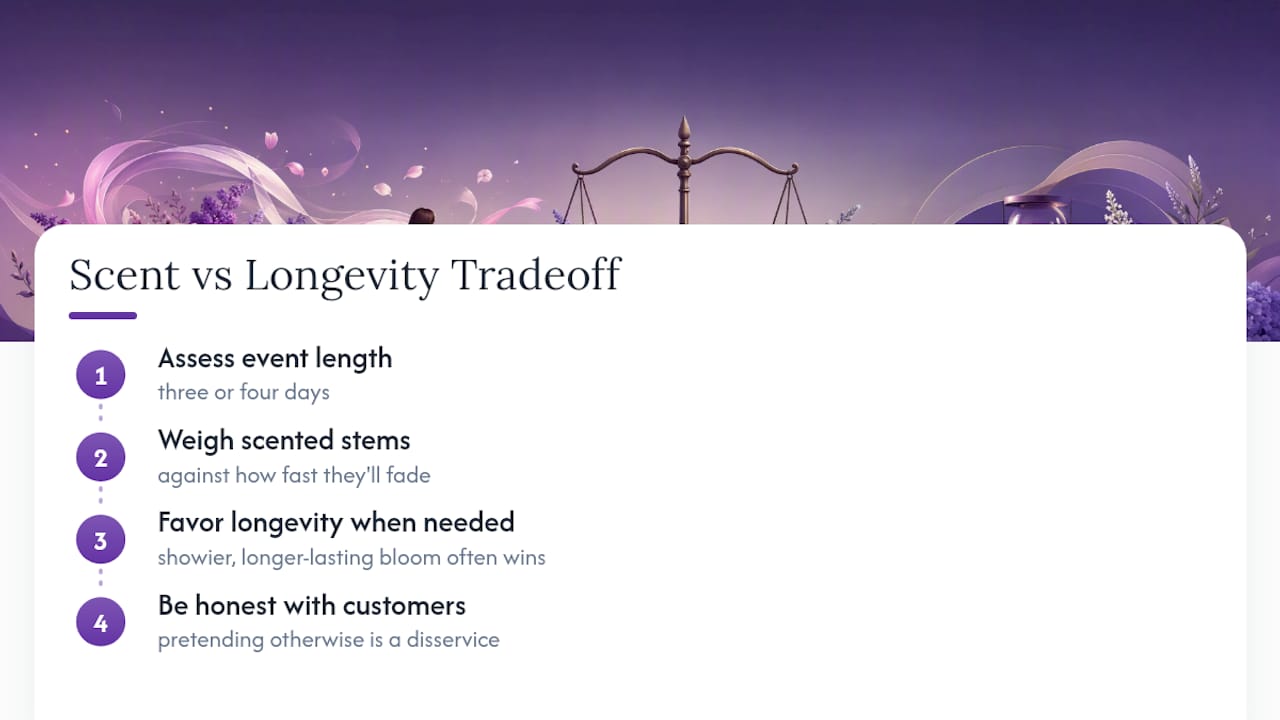
Fragrance and vase life pull in different directions more often than shoppers expect. When I’m building an arrangement for an event that needs to last three or four days, I’m weighing every scented stem against how fast it’ll fade, and sometimes the showier, longer-lasting bloom wins even though it smells like nothing. The honest trade is real, and pretending otherwise does customers a disservice.
Order Fragrant, Handcrafted Bouquets From Malikflowers
Sourcing genuinely fragrant stems takes more than a supermarket run. Malikflowers builds arrangements around seasonal, locally sourced blooms, which means fresher stems with more of their natural scent intact, not flowers that spent a week in cold storage before reaching a shelf.
When you place an order, simply request “locally sourced fragrant stems” or a “scent-forward arrangement,” and the design team will build around blooms like garden roses, stock, or seasonal lilies instead of defaulting to low-fragrance fillers. Need the opposite, something safe for allergy-sensitive guests or a dinner event? Ask for a low-fragrance design instead. Every order carries a satisfaction guarantee, with refunds available if the finished arrangement isn’t right. Browse the spring collection for the current season’s most fragrant picks, or head to the product catalog to place a custom request today.
Sources
- Volatile Organic Compounds Emitted by Flowers: Ecological Roles, Production by Plants, Extraction, and Identification - PMC
- Natural Product Reports review on floral volatiles and biosynthesis
- Greenhouse Product News (industry perspective on floral fragrance)
FAQ
What are unscented flowers?
Unscented flowers emit little to no fragrance detectable by most people, even though some still release trace volatile compounds that only pollinators or lab instruments can pick up.
What is the 3:5:8 rule for flowers?
This is a floral design ratio, not a scent classification. It typically refers to arranging stems in groups of three, five, and eight for balanced visual proportion, and it has no established connection to fragrance intensity.
Why do roses not have a scent anymore?
Many commercial roses have been bred for bigger blooms, brighter color, and longer vase life, and those traits often came at the cost of the volatile compounds that produce classic rose fragrance.
Which flower is most fragrant?
In sensory panel testing, freesia ranked highest for both intensity and likability, though garden roses, oriental lilies, and jasmine are also among the strongest-smelling cut flowers available.
Can I request fragrant flowers from a florist?
Yes. Asking for varietal names or locally sourced, seasonal stems significantly increases your odds of getting a genuinely fragrant bouquet, and services like Malikflowers can build a “scent-forward” arrangement on request.