
5–10 Days or Years: When to Send Sympathy Flowers vs Plants
5–10 Days or Years: When to Send Sympathy Flowers vs Plants
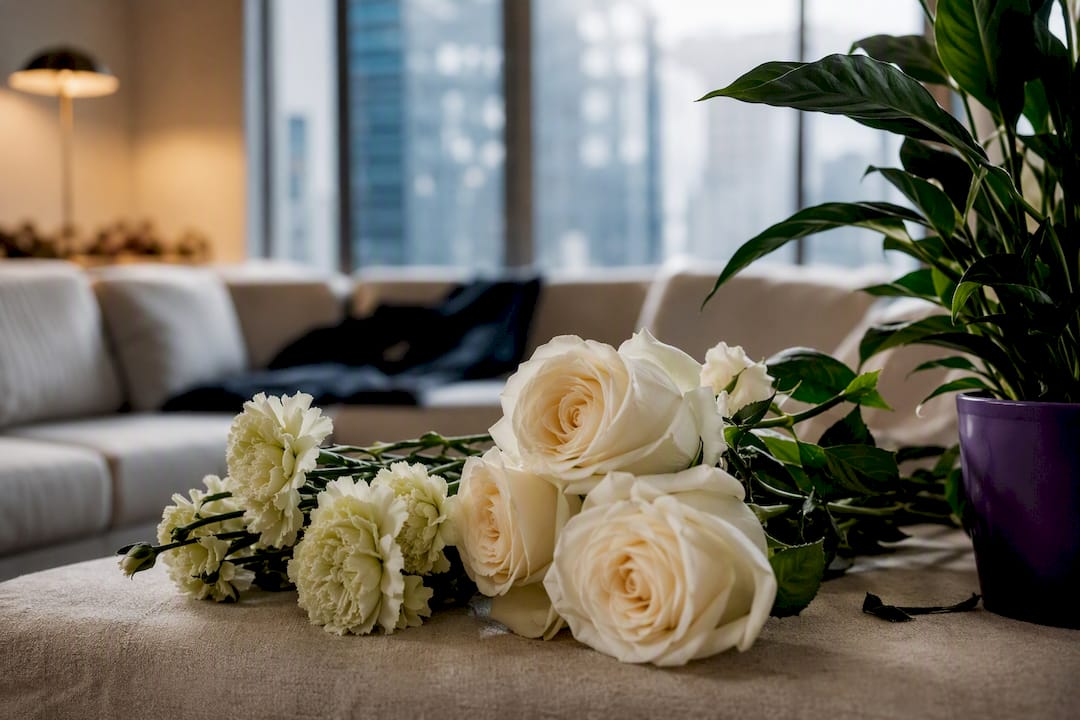
If you want an immediate, no-maintenance tribute for a service, send cut sympathy flowers. If you want something that lasts and keeps giving comfort long after the funeral, choose a low-maintenance sympathy plant. The right call depends on where the gift is going, how much upkeep the family can handle, and whether you want beauty for a day or a living reminder for years. A florist can arrange either option for delivery in the local area.
TL;DR:
- Sympathy plants like pothos and snake plants require minimal care and can last for years, making them suitable long-term reminders.
- Typical funeral arrangements with flowers last only 5 to 10 days and are designed for immediate display at the service.
- Proper delivery timing is crucial, with standing arrangements sent to funeral homes before the visitation and plants or smaller bouquets sent to homes afterward.
- Certain flowers hold traditional meanings such as white lilies for peace and roses for love, influencing the choice of arrangement based on sentiment.
- For close families who want lasting comfort, a low-maintenance plant delivered to their home after the service offers a more meaningful gift than cut flowers.
Table of Contents
- Sympathy Flowers vs. Plant: Comparing Lifespan, Cost, and Care
- What Do Sympathy Flowers Mean? Common Types and Arrangements
- Which Plants Make the Best Sympathy Gifts?
- When and Where Should You Send Sympathy Flowers or a Plant?
- How to Choose Between Sympathy Flowers and a Plant
- Why We Design Sympathy Arrangements the Way We Do
- Order Sympathy Flowers or a Plant Through Malik Flowers
- Sources
- FAQ
Sympathy Flowers vs. Plant: Comparing Lifespan, Cost, and Care
Cut flowers and living plants solve two different problems, and the comparison gets a lot clearer once you line up the practical factors side by side.
Flowers are built for a moment. A standing spray or vase arrangement peaks at the visitation, holds its color through the service, and then fades. Cut arrangements typically last about 5 to 10 days once displayed, which is exactly why florists treat them as ceremonial, not permanent, gifts. A plant works on a completely different timeline. Given basic light and water, a peace lily or similar low-light plant can remain in a home for years, quietly outlasting the grief that prompted the gift in the first place.
| Factor | Sympathy flowers | Sympathy plant |
|---|---|---|
| Typical lifespan | 5–10 days | Multiple years with basic care |
| Care required | None (already arranged) | Light watering, indirect light |
| Best destination | Funeral home, visitation, service | Family home, after the service |
| Family burden | Zero after service ends | Small ongoing responsibility |
| Emotional role | Immediate visual tribute | Long-term daily reminder |
A few things matter beyond the numbers. Flowers carry no obligation. Nobody has to remember to water a wreath, and when the display comes down, the gesture is complete without any loose ends. Plants ask a little more of the recipient, but that small ask is often what makes them meaningful. A pothos on the windowsill six months later isn’t a chore; for a lot of families, it’s the thing that quietly says someone was thinking of them.
If you’re sending to a service, confirm the destination before you order. Funeral homes often have specific delivery windows and may not have room for a large standing piece if the venue is small. When you’re not sure, call ahead and ask rather than guessing. That one phone call prevents almost every logistics headache people run into with sympathy deliveries.
What Do Sympathy Flowers Mean? Common Types and Arrangements
Certain flowers carry sympathy meaning that goes back generations, and knowing them helps you pick an arrangement that says what you actually mean.
- White lilies signal peace and restored innocence, which is why they anchor most funeral arrangements.
- Roses represent love and respect, though color shifts the tone (deep red for love, white for reverence).
- Carnations stand for remembrance and are common in wreaths and standing sprays.
- Chrysanthemums symbolize mourning in many traditions, particularly in European and Asian customs.
- Orchids convey enduring love and tend to signal a more personal, lasting sentiment.
- Gladiolus speaks to strength of character, often used in taller standing arrangements.
- Forget-me-nots are a smaller, quieter nod to remembrance, often mixed into bouquets rather than standing alone.
These common meanings are useful shorthand, but the arrangement type matters just as much as the flower choice. A vase or basket arrangement is flexible enough for either the funeral home or the family’s living room. Standing sprays and wreaths, on the other hand, are built for the service itself and typically don’t travel well to a home setting afterward, both because of their size and because they’re designed to be displayed on an easel rather than a table.
Scent is worth thinking about, too. Lilies smell wonderful in an open funeral chapel but can be overpowering in a small apartment. If you’re sending flowers to a home rather than a service, lean toward lower-scent options like roses or carnations, or ask your florist to keep the lily count light. It’s a small detail, but it’s the difference between a gift that comforts and one that gives someone a headache in their own living room.
Which Plants Make the Best Sympathy Gifts?
A plant works as a sympathy gift because it does something flowers can’t: it keeps growing while a family’s life slowly finds a new normal. Where a bouquet says “I’m thinking of you today,” a plant says “I’ll still be here next spring.” That’s a meaningful distinction if you’re close to the family and want the gesture to carry weight months down the road, not just during the week of the service.
Here are five plants that consistently work well as sympathy gifts, ranked by ease of care:
- Pothos — nearly impossible to kill, tolerates low light and irregular watering, and trails attractively over a shelf.
- Snake plant — thrives on neglect, needs water only every few weeks, and holds its shape for years.
- Peace lily — low light tolerant, and its white bloom echoes traditional funeral flower symbolism.
- ZZ plant — extremely forgiving of missed watering, ideal for a grieving household with a lot on its plate.
- Phalaenopsis orchid — a step up in elegance, with blooms that last for months rather than days, though it needs slightly more attention than the others.
Pro Tip: If you don’t know the family’s plant experience, default to pothos or a snake plant. They forgive weeks of neglect, which matters when the recipient has more urgent things on their mind than watering schedules.
Presentation still counts. A plant in a plain nursery pot reads as an afterthought; the same plant in a decorative ceramic or woven pot reads as a real gift. Attach a short care card noting the light and water needs, so the recipient isn’t left guessing during a week when guessing is the last thing they want to do.
When and Where Should You Send Sympathy Flowers or a Plant?
Timing and destination trip people up more than flower choice ever does, and getting this wrong is the most common sympathy-gift mistake.
- Deliver standing sprays, wreaths, and large arrangements to the funeral home, timed for the morning of or the day before the visitation.
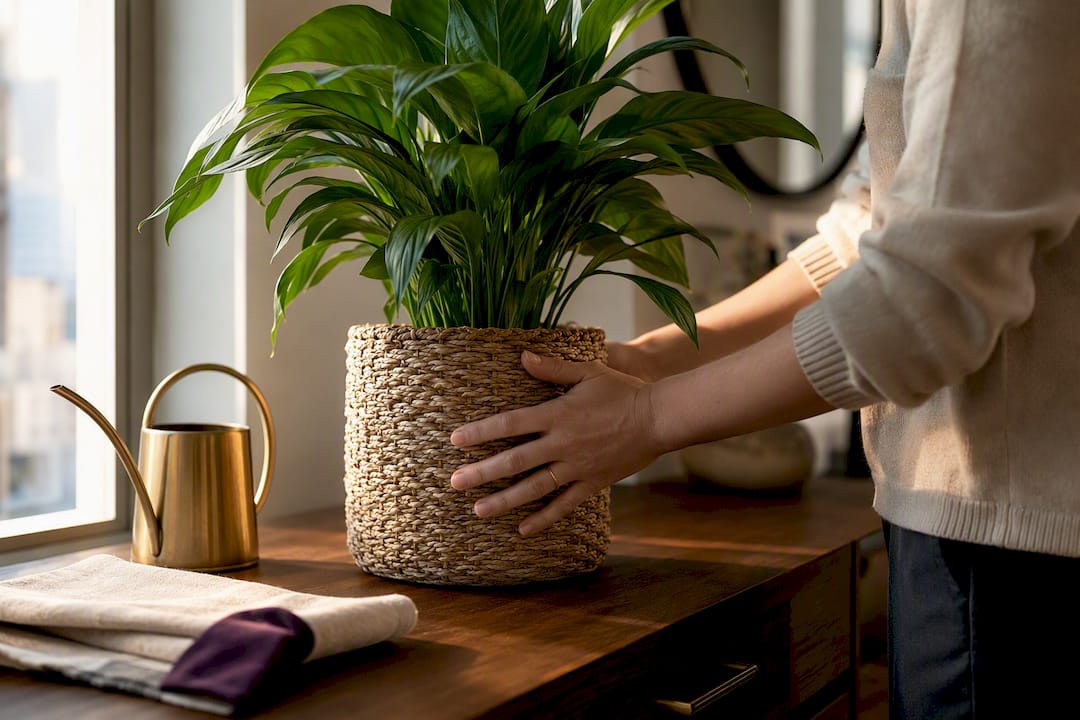
- Send vase arrangements, baskets, or plants to the family home, ideally a few days after the service rather than during the immediate rush.
- Always call the funeral home first to confirm they’re accepting flowers and to check their delivery window; some venues restrict display space or timing.
- If the obituary says “in lieu of flowers,” honor it. That phrase usually points toward a specific charity or cause the family wants supported instead, and sending flowers anyway can feel like it overrides their wishes.
- Watch for faith-based customs. Some traditions discourage cut flowers entirely at services, while others welcome them without restriction, so a quick call or a note to a close family member settles any doubt.
One detail that’s easy to miss: a plant delivered a few days after the funeral often lands better than one delivered during the visitation itself, simply because the family isn’t managing a room full of arrangements at that moment. Spacing the gesture out can make it feel more personal, not less.
How to Choose Between Sympathy Flowers and a Plant
Run through this short checklist before you order, and the decision usually makes itself:
- What’s the goal? Immediate tribute at a service, or something the family keeps long after?
- How close is the relationship? Closer relationships often lean toward a plant or a more personal arrangement; acquaintances often default to a modest bouquet.
- Where is it going? Funeral home means flowers, almost always; family home works for either flowers or a plant.
- What can the family handle right now? A grieving household juggling logistics may not want the responsibility of keeping a plant alive.
- What’s the budget? Both options range widely, but a modest bouquet or a small plant is always an appropriate, respectful choice regardless of price.
- What’s the timing? Service-bound arrangements need to arrive before the visitation; home deliveries have more flexibility.
Three quick scenarios show how this plays out. A coworker’s parent passes, and you didn’t know the family well; a modest arrangement sent to the funeral home covers the gesture without overstepping. A close friend loses a spouse, and you want the gift to matter months from now; a peace lily delivered to their home a few days after the service does that. A distant relative’s obituary requests donations instead of flowers; you skip the floral gift entirely and give to the cause named, then send a card.
For the card itself, keep it simple: “With deepest sympathy” works for formal relationships, “Thinking of you and your family” suits a friend, and “Here if you need anything, always” fits someone you’re close to.
Why We Design Sympathy Arrangements the Way We Do
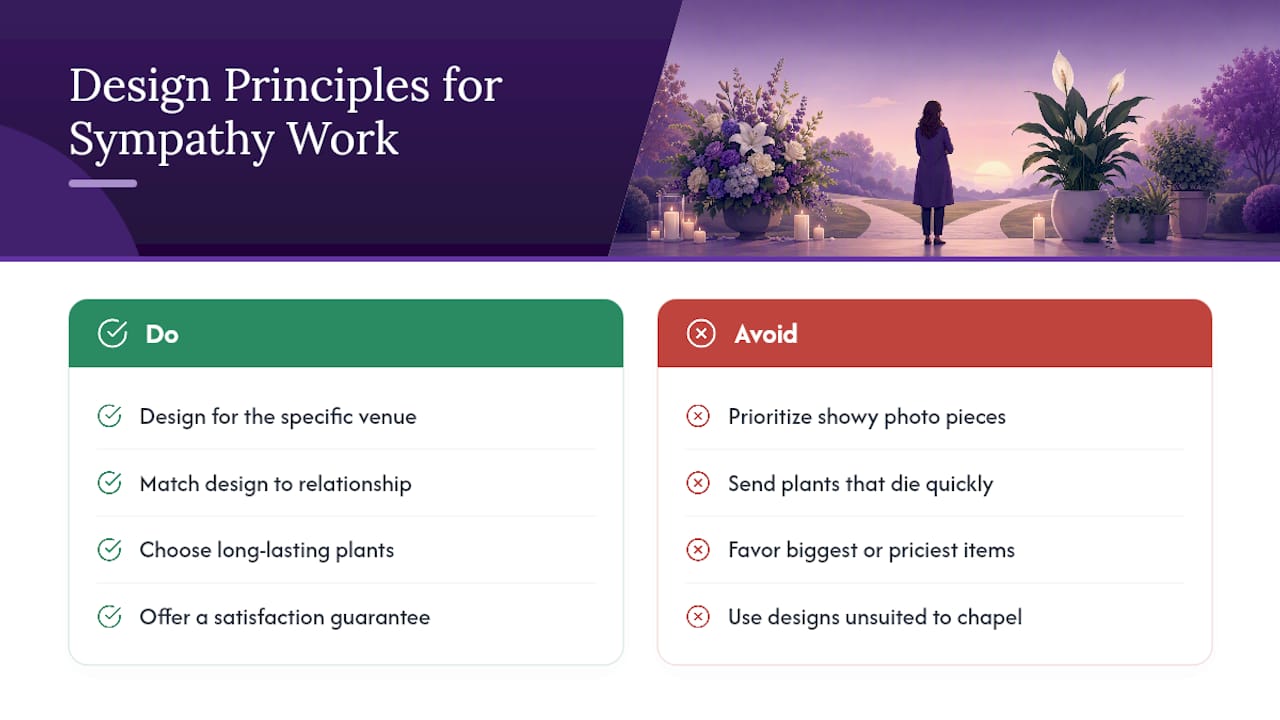
Sympathy work is different from every other type of floral order. There’s no room for a design that looks good in a photo but wrong in a chapel, and there’s no room for a plant that dies within a month of arriving. Sympathy arrangements are built around that reality: custom designs suited to the specific venue and relationship, sometimes backed by a satisfaction guarantee.
What sticks with families isn’t usually the biggest or most expensive arrangement. It’s often the small plant still sitting on a windowsill a year later, or the card that said exactly the right thing without trying too hard. That’s the standard worth designing toward: not a showpiece for one afternoon, but something that still means something months on.
— Reza
Order Sympathy Flowers or a Plant Through Malik Flowers
Choosing between a bouquet and a plant is only half the job. Getting it to the right place, on time, in a design that actually fits the moment, is the other half, and that’s where a lot of well-meaning orders go sideways. The service handles both sides: custom sympathy arrangements built for the specific venue, plus delivery timed to the funeral home’s window or the family’s home.

Every design is handcrafted rather than pulled from a generic template, which matters most in sympathy work, where a one-size-fits-all arrangement can feel impersonal at the exact moment personal touches count. Some satisfaction guarantees include refunds if a design doesn’t land the way expected. When you’re ready to order, note whether the delivery is going to a service or a home so the right arrangement type gets built for the right destination, then browse the full sympathy and funeral flower collection or check available same-day delivery windows before you check out.
Sources
- Funeral
- Plants Instead of Flowers for a Funeral: Why Families Keep Them for Years — FuneralHomeDirectories
- Sympathy flower meanings — BloomingExpert
FAQ
What Plant Is Good for Grieving?
Peace lilies, pothos, and snake plants are among the most recommended choices because they tolerate low light and infrequent watering, which suits a household that’s short on time and energy.
What Are the Best Flowers for Someone Grieving?
White lilies, roses, carnations, and chrysanthemums are the most traditional choices, each carrying its own sympathy meaning, though a simple, well-arranged bouquet in any of these is always appropriate.
What Plant Symbolizes Grief?
The peace lily is the plant most closely tied to grief and mourning, largely because its white bloom echoes the same symbolism traditionally carried by white lilies in funeral flower arrangements.
Is There a Flower That Means Sympathy?
Yes. White lilies are the flower most directly associated with sympathy, symbolizing peace and restored innocence, while carnations specifically represent remembrance in most Western floral traditions.
Should I Send Flowers or a Plant to a Funeral Home?
Flowers, generally. Funeral homes are set up for standing sprays, wreaths, and vase arrangements timed to the service, while plants are usually better suited to a home delivery a few days later.