
Classroom Friendly Teacher Appreciation Flowers and Note Samples
Classroom Friendly Teacher Appreciation Flowers and Note Samples
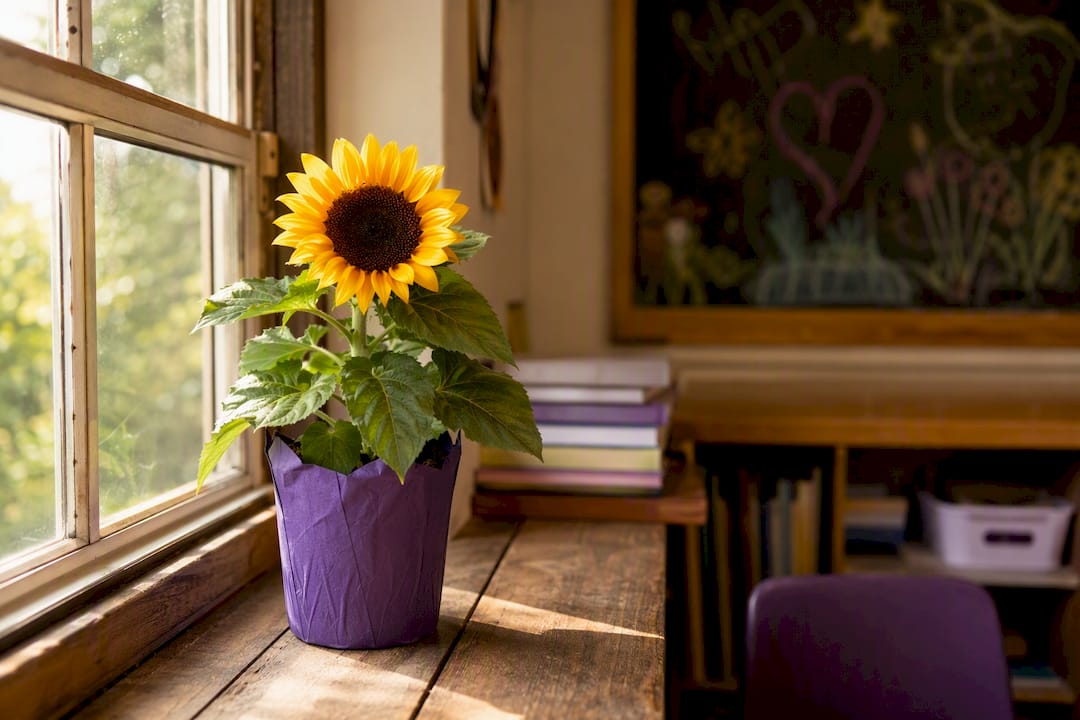
Send a vase-ready mixed bouquet or a small potted plant. Both are easy, classroom-friendly ways to say thank you, and neither asks a teacher to hunt down a vase between periods. For a whole homeroom, a single group bouquet beats two dozen small ones cluttering a desk. Malik Flowers builds these arrangements by hand and delivers across Metro Vancouver with a satisfaction guarantee, so it’s a solid place to order from if you want something ready to hand over today.
TL;DR:
- Sunflowers, tulips, and carnations are the safest, longest-lasting flowers for classrooms because they shed minimal pollen and have low scent.
- Vase-ready or small grouped bouquets are the most practical choice, as they require no prep and suit different occasions, from individual to whole class gifts.
- Confirm school policies on gifts, delivery windows, and scent restrictions beforehand to avoid misunderstandings or awkwardness.
- Group contributions within modest budgets, using handwritten notes with specific details to make the gift meaningful and appreciated.
- Potted plants like succulents or small orchids last longer and are more suitable for teachers who travel between classrooms.
Table of Contents
- Best Flowers for Teachers: What to Pick and Why
- Presentation and Delivery: Vase-Ready Bouquets and School Drop-Off Tips
- Allergies, Scent, and School Policy Considerations
- Budget, Etiquette, and Group Gifting
- How to Write a Short, Effective Thank-You Note
- Class Gift or Individual Gift: What’s Appropriate When
- Personalizing the Gift Without Overcomplicating It
- Alternative Teacher Appreciation Gifts Worth Pairing With Flowers
- Cultural Sensitivity and School Policy Around Gifts
- What Teachers Actually Tell Florists They Want
- Malik Flowers: Ready-to-Enjoy Teacher Bouquets and Ordering Tips
- Sources
- FAQ
Best Flowers for Teachers: What to Pick and Why
Not every bouquet belongs in a classroom. Some flowers shed pollen on grade books, some smell strong enough to trigger a headache by third period, and some just read as more “date night” than “thank you.” The best teacher appreciation flowers share three traits: they last, they’re low on scent, and they photograph well sitting on a cluttered desk between a stapler and a stack of ungraded quizzes.
- Sunflowers hold up for a week or more without drooping, carry almost no scent, and their bright yellow reads as cheerful rather than romantic.
- Tulips are sturdy, low pollen, and available in enough colors to match any classroom theme without looking fussy.
- Carnations are underrated. They’re inexpensive, they last longer than almost any other cut flower, and florists lean on them for exactly this reason.
- Gerberas and daisies bring a playful, informal look that fits a classroom better than anything stiff or formal.
- Soft-colored roses (blush, peach, cream) work fine in small numbers, but skip the deep red dozen. That arrangement says something different than “thanks for teaching my kid fractions.”
- Hydrangeas make a big visual impact from just a few stems, which matters if you’re splitting a bouquet cost across a class.
- Orchids last for weeks with minimal care and produce almost no airborne scent, making them a smart pick for teachers who travel between rooms.
Florist guides consistently point to sunflowers, tulips, daisies, and mixed seasonal bouquets as the go-to classroom picks, precisely because they’re durable and unfussy.
A potted plant is often the smarter move than any cut arrangement. Succulents, small pothos, or a compact peace lily keep going for months, which means the gift outlives the week it arrived in. Skip strongly scented lilies and oversized romantic rose arrangements. Both tend to overwhelm a small room and can read as an odd tone for a professional thank-you.
Presentation and Delivery: Vase-Ready Bouquets and School Drop-Off Tips
A gorgeous bouquet loses half its charm if the teacher has to dig through a supply closet for a container. Vase-ready or boxed arrangements solve that problem outright. The teacher unwraps it, sets it on the desk, and gets on with fourth period. No trimming stems, no hunting for water, no guessing whether it needs more sun.
Size should match the occasion:
- A desk bouquet (6 to 10 stems) works well for a single teacher from one family.
- A classroom arrangement (a larger mixed bouquet or two smaller vases) makes sense when a whole class is chipping in together.
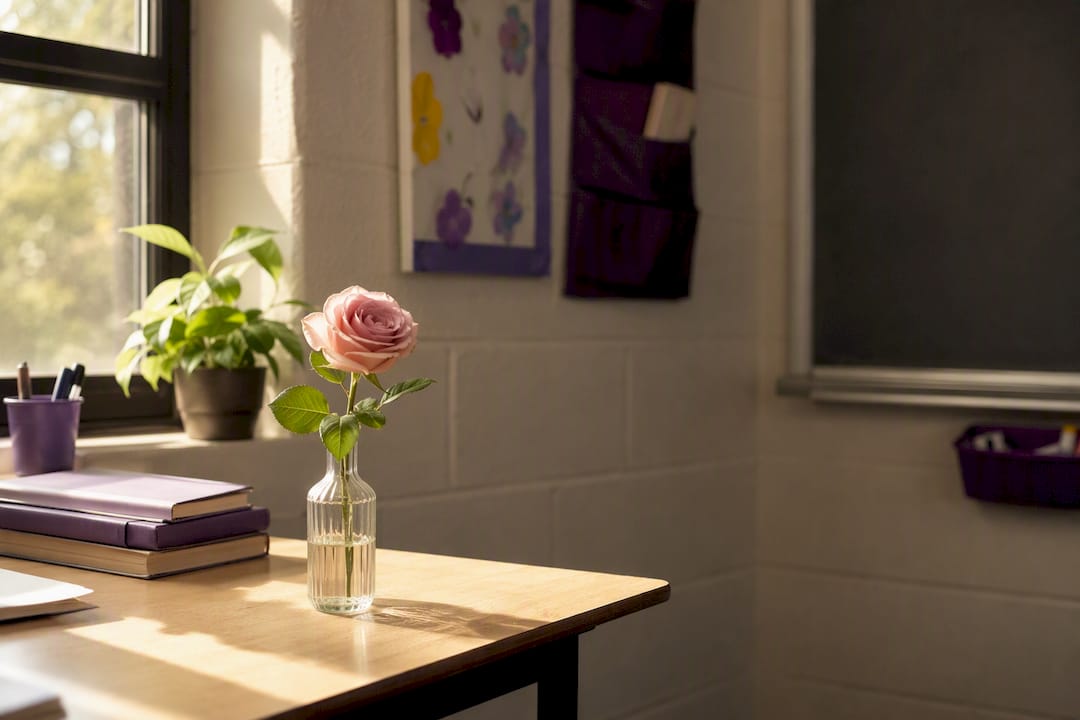
- A single stem plus a card is a nice, low-cost option for a quick individual gesture that doesn’t compete with a bigger class gift.
Timing matters as much as the flowers themselves. Teacher Appreciation Week in early May is the obvious window, but end-of-year deliveries land just as well, especially paired with a note about the specific year. Confirm three things with the school office before you send anything: whether they’ll accept a delivery at the front desk, whether they’ll walk it to the classroom or hold it for pickup, and whether there’s a preferred drop-off window that avoids interrupting instruction time.
Pro Tip: When you place the order, add a line in the delivery notes specifying the teacher’s room number and that it’s classroom-appropriate. Front offices juggle dozens of deliveries during Teacher Appreciation Week, and a clear note means your flowers land on the right desk instead of sitting in the mailroom.
Allergies, Scent, and School Policy Considerations
Twenty-five kids share that room with the flowers you send, and one of them might have a pollen sensitivity you don’t know about. That’s the practical reason florists steer classroom orders toward lower-scent, lower-pollen blooms rather than the showiest option on the shelf.
- Sunflowers, tulips, carnations, and orchids all carry minimal scent and shed little visible pollen, making them safer classroom choices.
- Skip heavily perfumed varieties like Oriental or Stargazer lilies. Their fragrance can fill a small room fast and lingers for days.
- If a school has a strict no-scent or no-plant policy, a scent-free succulent, a small orchid, or a keepsake item sidesteps the issue entirely while still feeling personal.
Before ordering, it’s worth a quick call or email to the office to ask three things: does the school have a scent-free policy, is there a preferred delivery window that won’t disrupt class, and does the district have a disclosure threshold for gifts over a certain dollar amount. That last question sounds bureaucratic, but some Canadian school boards do require staff to report gifts above a modest value, so a quick check saves the teacher an awkward paperwork moment later.
Budget, Etiquette, and Group Gifting
Nobody needs to spend big to make this land well. A reasonable per-child contribution for a group bouquet runs within a modest range most parents find comfortable, and coordinating early through a class group chat avoids the scramble of five separate deliveries arriving the same morning.
- Skip cash, alcohol, or anything that reads as overly personal. Teachers can’t always accept those items, and some boards discourage them outright.
- Safer, well-liked alternatives include flexible gift cards, classroom supplies, or flowers paired with a note.
- Canadian gifting guidance specifically recommends modest per-student budgets and flexible gift cards as the most comfortable, least awkward options.
A $15 bouquet with a specific, heartfelt note almost always lands better than a $50 gift with a generic “thanks for everything” card. The note is doing more work than the price tag.
How to Write a Short, Effective Thank-You Note
A two-sentence note that mentions something specific beats a paragraph of generic gratitude every time. Research from the EdWeek Research Center backs this up directly: teachers consistently rank specific verbal or written acknowledgment above tangible rewards, even gift cards.
Try one of these, adjusted to your voice:
- Single student: “Thank you for making math class actually fun this year. I finally get fractions because of you.”
- Parent on behalf of child: “Thank you for the patience you showed [child’s name] with reading this year. We noticed the difference at home.”
- Whole class: “We wrote this together because you made this classroom feel like a good place to be every single day.”
- Colleague: “Watching how you handled that tough parent meeting last month reminded me why I respect how you run your classroom.”
The specific detail is what makes it memorable. “You’re a great teacher” gets forgotten. “You noticed when I was struggling and stayed after class to help” does not.
Class Gift or Individual Gift: What’s Appropriate When
A group bouquet from the whole class almost always beats twenty-five individual gifts sitting on one desk. It’s less overwhelming for the teacher to manage, easier for parents to split the cost, and it avoids the uncomfortable optics of one kid’s gift looking noticeably nicer than another’s.
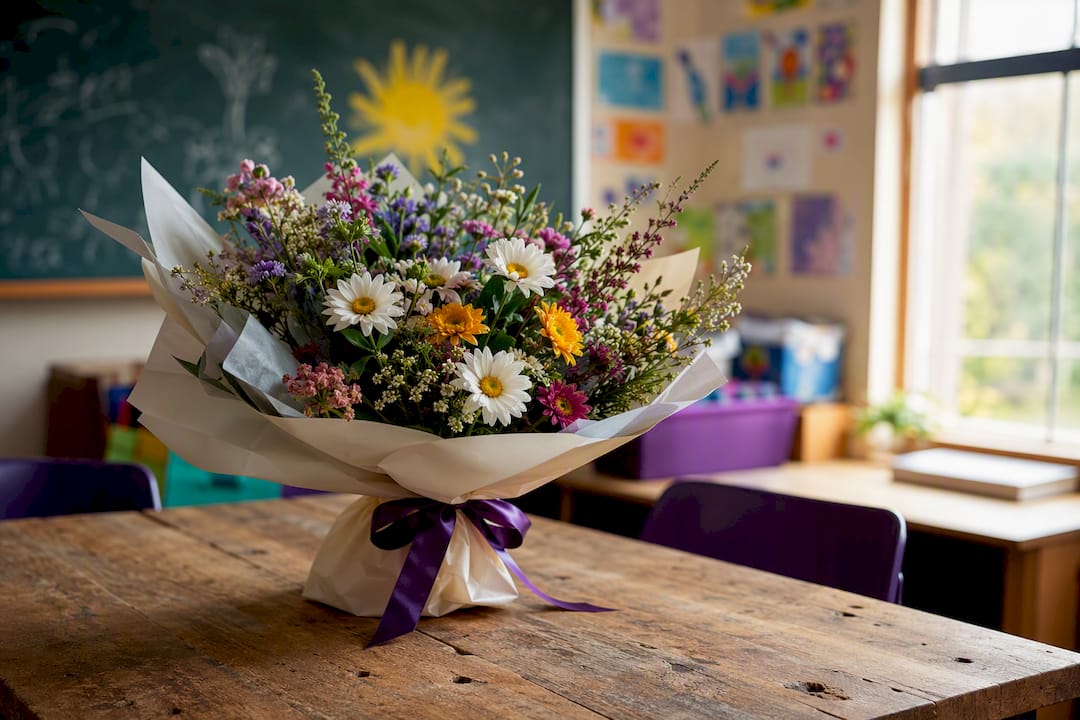
For elementary homerooms, coordinating through a parent group chat works well: one person collects a small contribution from each family, orders a single substantial arrangement, and attaches a card signed by the whole class. It’s efficient, and it reads as a unified gesture rather than a pile of competing gifts.
Middle and high school students, who typically have five or six different teachers rather than one homeroom, are in a different position. A single student sending an individual gift to a favorite teacher is completely appropriate here. Keep it modest. A small desk bouquet or a single stem with a specific note does the job without feeling like it’s trying too hard.
The etiquette line to watch: avoid letting one student’s individual gift dramatically outspend or outshine a coordinated class gift happening in the same room. If a class fundraiser is already in motion, a student sending something separately should keep it small and personal rather than competing in scale.
Personalizing the Gift Without Overcomplicating It
Personalization doesn’t require knowing a teacher’s favorite flower. It requires knowing one true thing about the year and saying it plainly. A note that references a specific unit, an inside joke from class, or a moment where the teacher clearly went out of their way carries more weight than any generic “you’re the best” card.
A few low-effort ways to personalize a floral gift:
- Choose colors tied to the school’s mascot or the student’s favorite color if the teacher has mentioned it before.
- Add a small tag naming the subject or class period, especially useful for high schoolers with multiple teachers.
- Include a specific memory in the card rather than a general compliment. “Thank you for explaining photosynthesis three different ways until it clicked” beats “Thanks for being awesome.”
- If the whole class is contributing, have each student add one line or sign their name rather than one parent writing the entire message.
None of this requires extra spending. It requires ten extra minutes of thought, and that’s usually the part teachers remember longest.
Alternative Teacher Appreciation Gifts Worth Pairing With Flowers
Flowers work well alone, but they pair naturally with a few low-cost extras that round out the gesture without turning it into a shopping list. A flexible gift card to a coffee shop or bookstore alongside a small bouquet covers both the sentimental and the practical.
Consider these complements:
- Gift cards to coffee shops, bookstores, or general retailers remain one of the most consistently appreciated options, since 39% of surveyed teachers named gift cards among their preferred rewards.
- Classroom supplies like sticky notes, markers, or a nice pen solve a real problem, since many teachers spend their own money stocking their rooms.
- A donation to the classroom’s wish list, if the school shares one, often means more than another mug.
- Handwritten notes from the whole class, bound into a small book, cost nothing and get kept for years.
None of these need to replace flowers. A small bouquet plus a $10 coffee card plus a specific note covers sentiment, practicality, and personalization without overspending.
Cultural Sensitivity and School Policy Around Gifts
Not every family celebrates gift-giving occasions the same way, and not every school allows the same things. Some districts cap the dollar value of gifts a teacher can accept, and some require disclosure once a gift crosses a certain threshold, an administrative detail that trips up well-meaning parents more often than you’d expect.
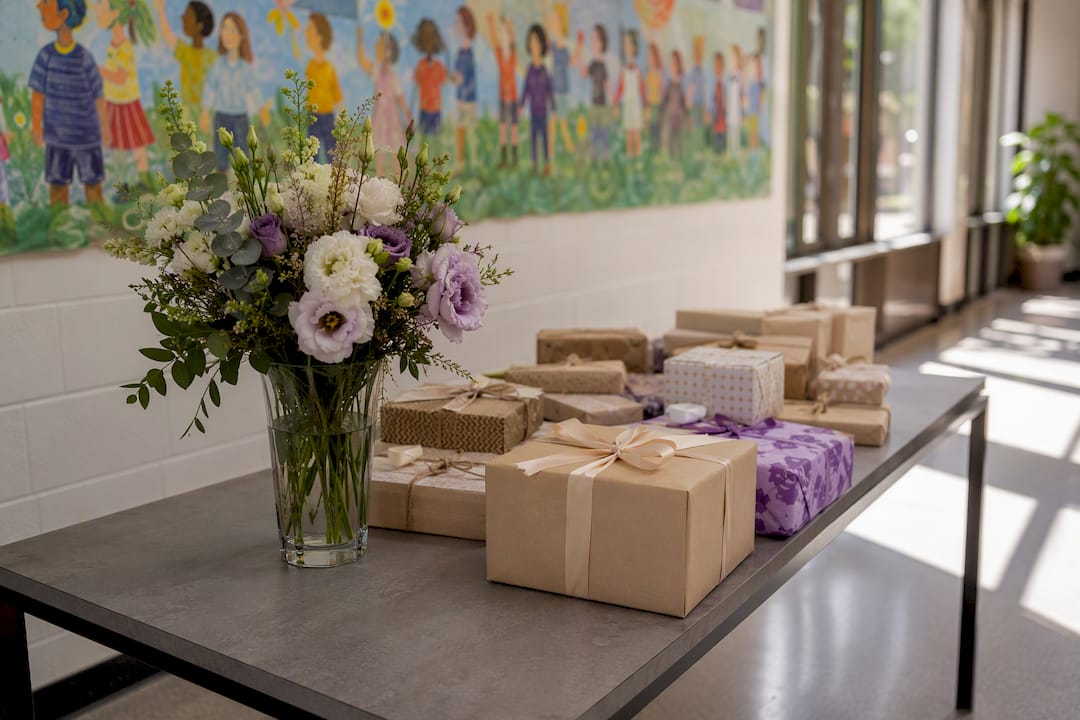
Cash and gift cards, while broadly appreciated, can feel awkward in cultures or families where gift-giving carries different expectations, so a class-coordinated flower arrangement often reads as the more universally comfortable option. It’s a shared gesture rather than a solo financial statement, and nobody has to guess whether their contribution matched anyone else’s.
Before assuming a gift is fine, a quick email to the school office clears up two things fast: whether there’s a district-wide gift policy, and whether the school has any restriction on scented items, food, or plants in classrooms. Most schools are happy to answer, and it saves everyone an uncomfortable conversation after the fact.
What Teachers Actually Tell Florists They Want
Florists hear the same requests every May: something that won’t wilt by Friday, something scent-free because a student has allergies, and something that doesn’t need a vase hunted down mid-lesson. Teachers rarely ask for anything elaborate. They ask for flowers that work with, not against, a busy classroom.
Handcrafted arrangements with a satisfaction guarantee matter here because a wilted or mismatched bouquet defeats the whole point of the gesture. A refund policy if the design misses the mark is a small thing that removes the risk of the gift falling flat.
— Reza
Malik Flowers: Ready-to-Enjoy Teacher Bouquets and Ordering Tips
Ordering a teacher gift shouldn’t take longer than grading a stack of quizzes. Malik Flowers builds each arrangement by hand and delivers fresh across Metro Vancouver, with same-day options when you’re cutting it close to Teacher Appreciation Week.

A few things worth knowing before you order:
- Handcrafted, vase-ready bouquets mean the teacher unwraps and displays, no trimming or hunting for a container.
- Potted plant and low-maintenance options are available for gift-givers who want something that lasts past the week.
- Same-day delivery covers Metro Vancouver, useful when appreciation week sneaks up on you.
- A satisfaction guarantee with refunds backs every order if the design doesn’t land the way you hoped.
When you check out, add a note about school delivery in the order comments so the front office knows exactly where it’s headed. Browse the full product catalog for classroom-appropriate mixed bouquets, or check the spring collection for bright, seasonal options that suit a Teacher Appreciation Week order. Place your order today and it can be on a teacher’s desk before the final bell.
Sources
- Forget the free food and gift cards: here’s the kind of recognition teachers really want (EdWeek Research Center)
- Flowers for teachers guide (Fiore Designs)
- Teacher gifting in Canada (TrueCanadianFinds)
FAQ
Is there a flower that represents teachers?
No single flower is officially tied to teaching, but sunflowers are the most commonly gifted choice because they’re durable, low-scent, and read as cheerful rather than formal.
What is the best flower to give a teacher?
Sunflowers, tulips, carnations, and gerberas top most florist recommendations because they last well and carry minimal pollen or fragrance, making them safe for a shared classroom.
What do teachers really want as appreciation gifts?
Specific, genuine acknowledgment matters most according to EdWeek Research Center survey data, though many teachers also welcome practical gifts like flexible gift cards or a low-maintenance potted plant.
What are some good flowers to gift teachers?
A vase-ready mixed bouquet with sunflowers, tulips, or carnations works well for individual gifts, while a larger arrangement or potted plant suits a coordinated class gift.
How much should a class spend on teacher appreciation flowers?
Keep per-student contributions modest and coordinate through one parent to avoid duplicate gifts. Canadian gifting guidance favors smaller, pooled budgets over large individual purchases.